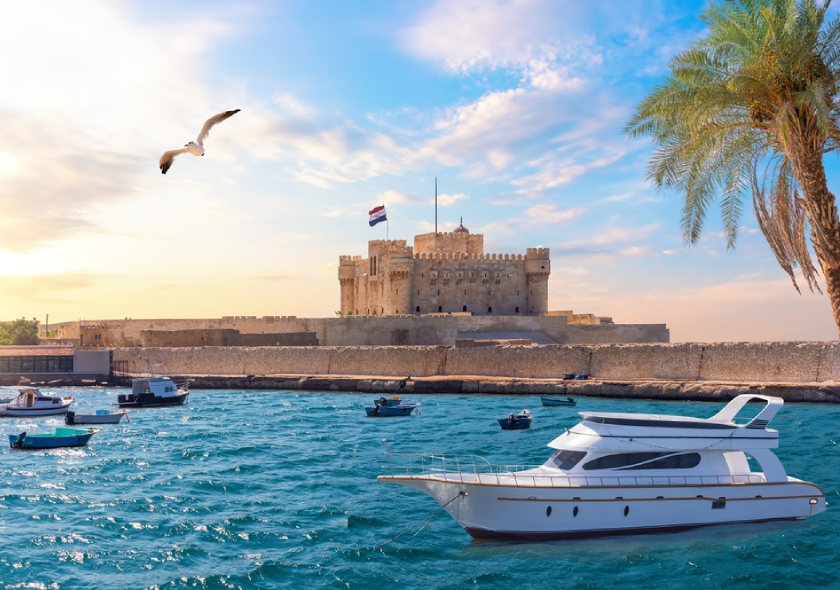
Egypt Hosting COP24
Egypt, officially the Arab Republic of Egypt, is a country located in northeastern Africa, with the Sinai Peninsula extending into Asia. It is known for its rich history, ancient civilization, and cultural heritage. Here are some key points about Egypt:
Historical Significance:
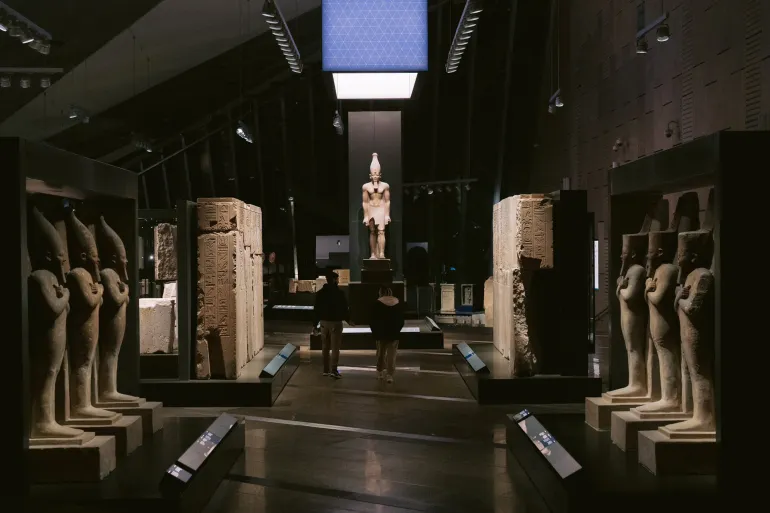
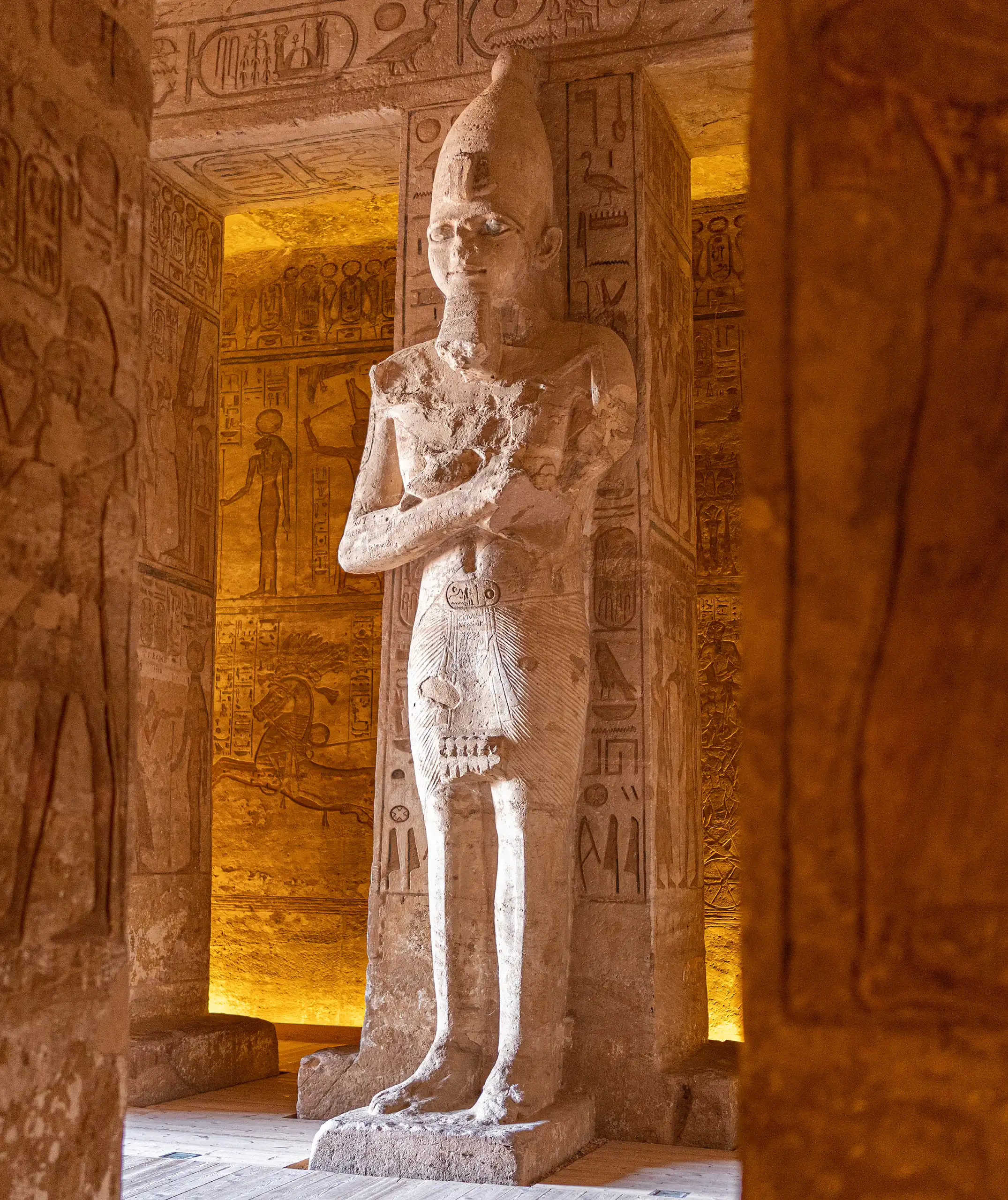
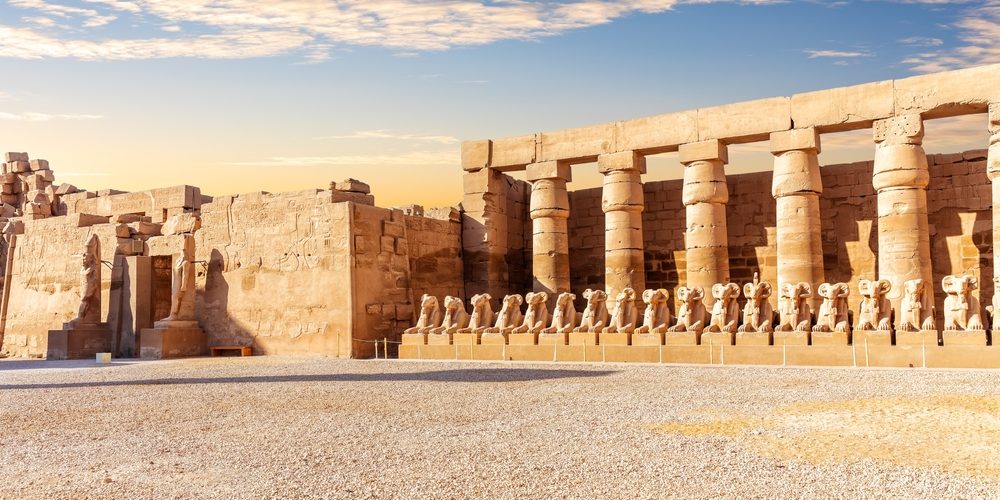
Egypt is home to one of the world's oldest civilizations, dating back over 5,000 years. It is famous for its ancient monuments, including the Pyramids of Giza, the Sphinx, and the temples of Luxor and Karnak.
Geography:
The Nile River, the longest river in the world, flows through Egypt, providing vital water resources and fertile land for agriculture. The country features a desert landscape, with the Sahara covering most of its territory.
Capital and Major Cities:
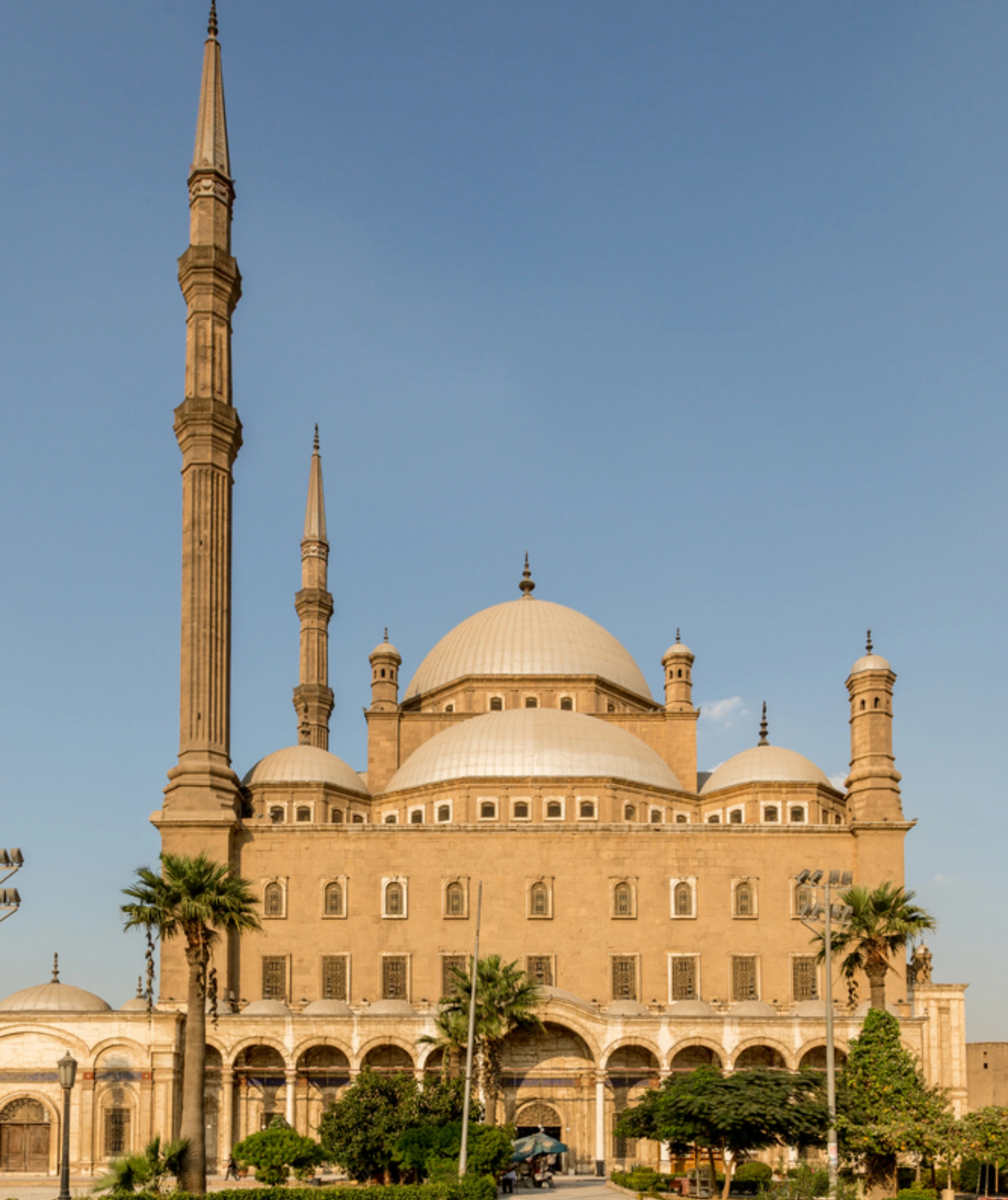
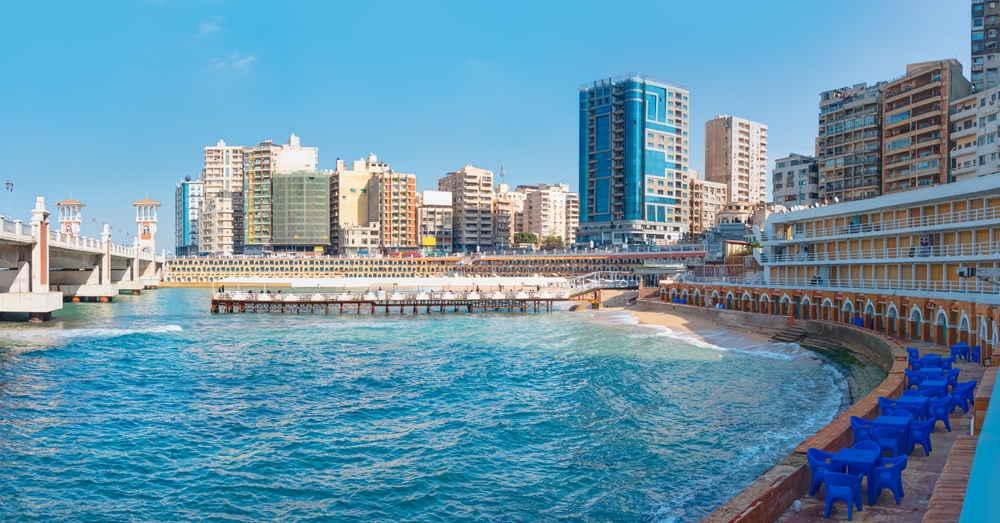
Cairo is the capital and largest city, known for its bustling markets, historical sites, and vibrant culture. Other important cities include Alexandria, Giza, and Luxor.
Culture and Language:
Egypt's culture is a blend of ancient traditions and modern influences. The official language is Arabic, and Islam is the predominant religion.
Economy:
Egypt's economy relies on tourism, agriculture, industry, and services. Its archaeological sites attract millions of tourists annually.
Modern Era:
Egypt gained independence from British rule in 1952. It has a rich political history and plays a significant role in regional and international affairs.
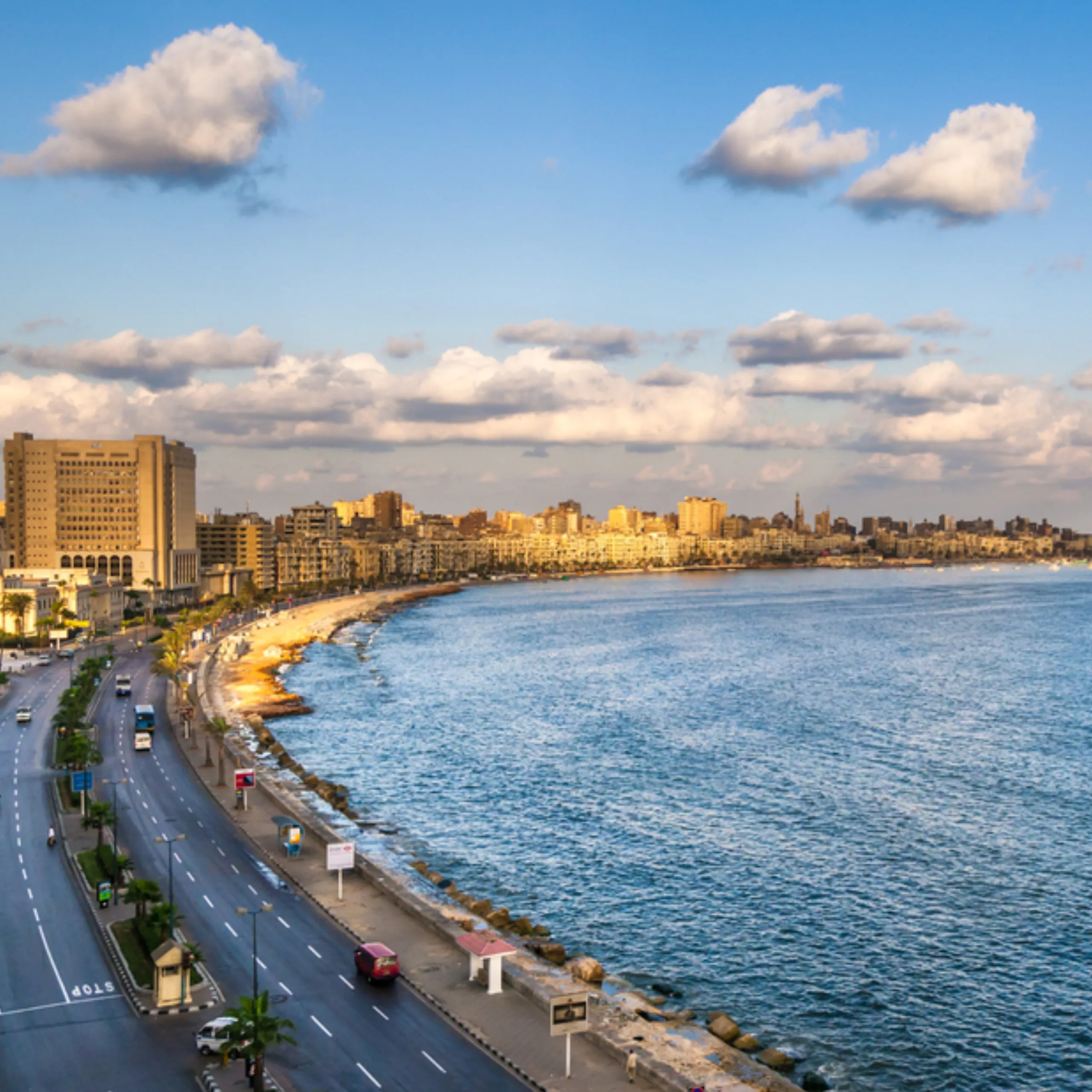
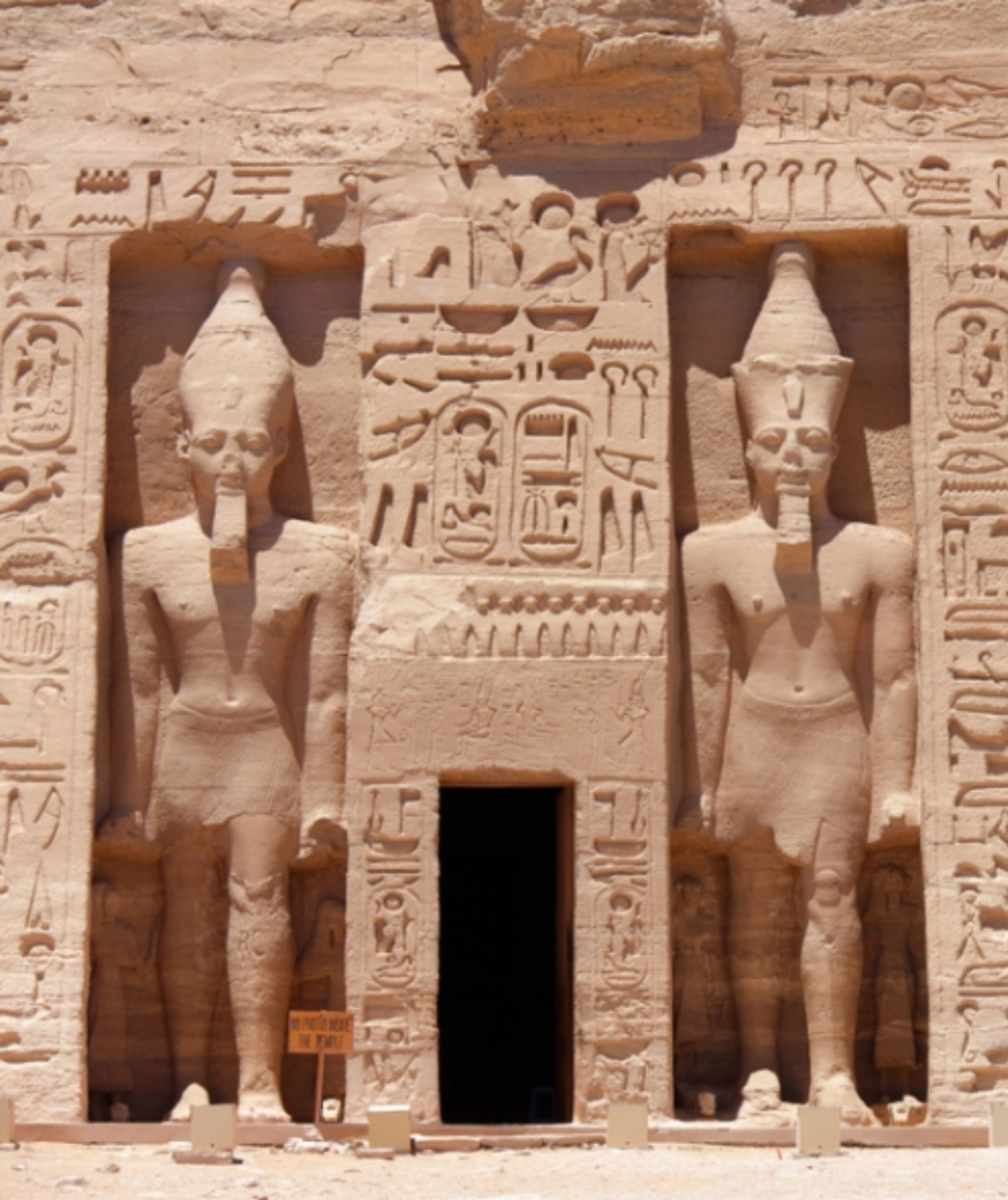
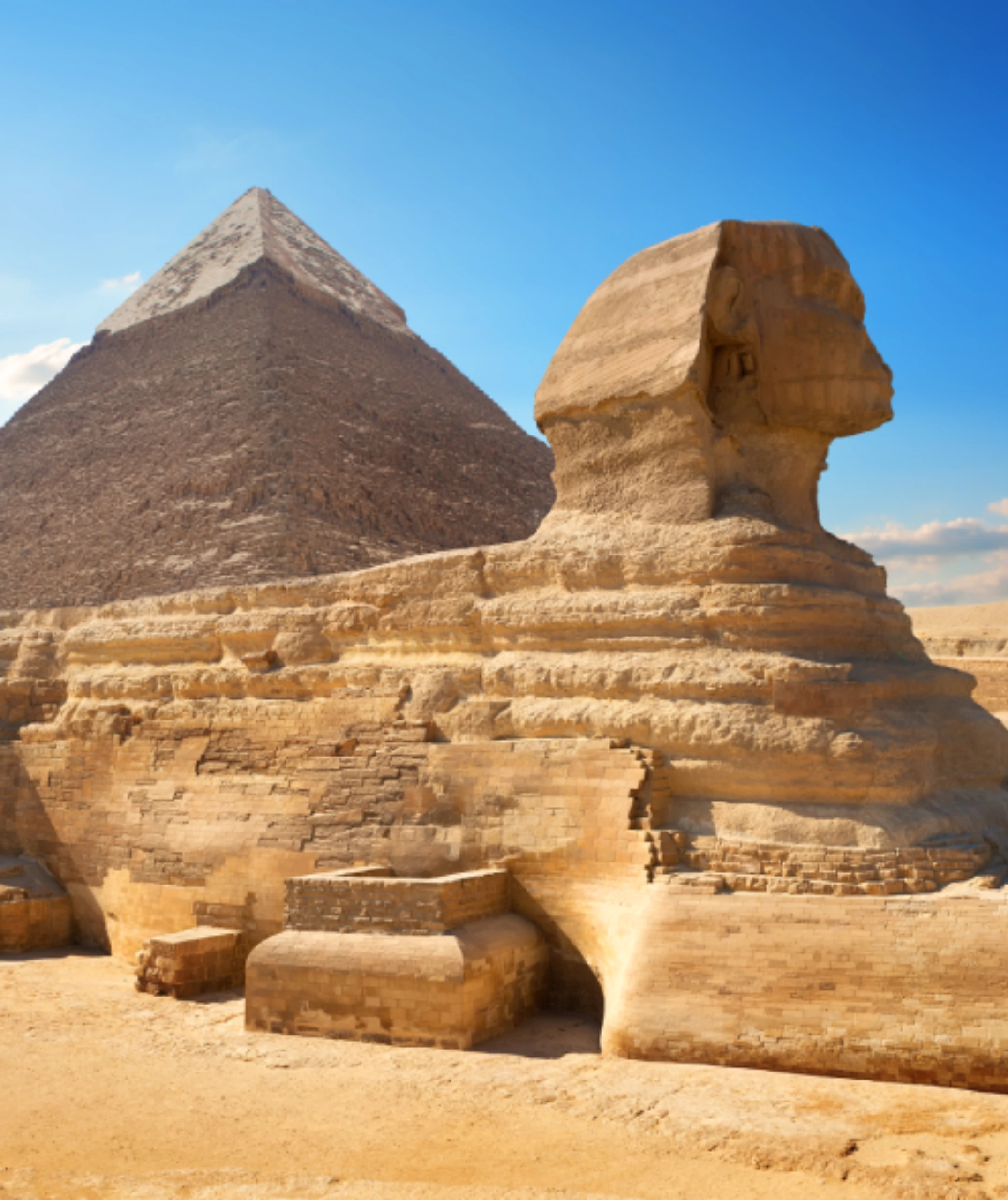
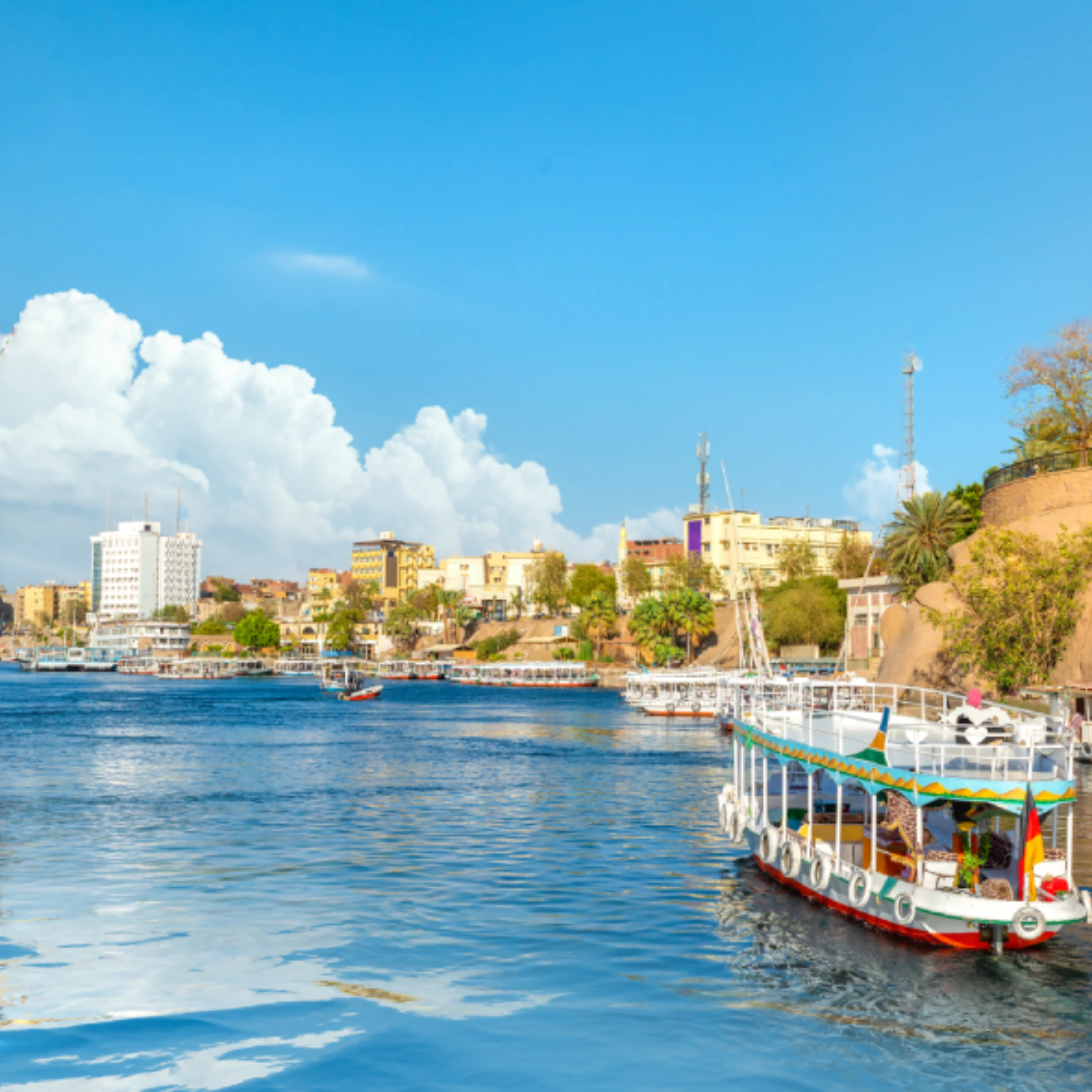
Hosting COP24 underscored Egypt’s recognized leadership and dedication to regional environmental initiatives. The decision by Contracting Parties to select Egypt as the host country highlights its growing influence in promoting sustainable development and environmental governance in the Mediterranean. This event also reaffirmed Egypt’s commitment to implementing key frameworks such as the 2030 Agenda for Sustainable Development, the Mediterranean Strategy for Sustainable Development (MSSD), and the UNEP/MAP-Barcelona Convention system.
A Strategic Location at the Heart of the Mediterranean
Crossroads of Continents:
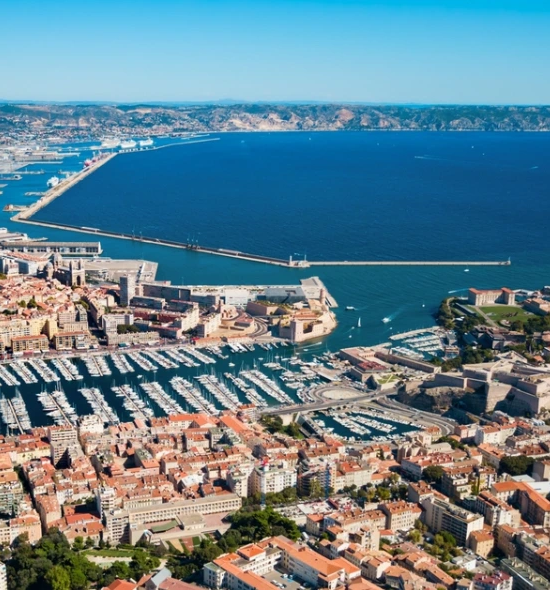
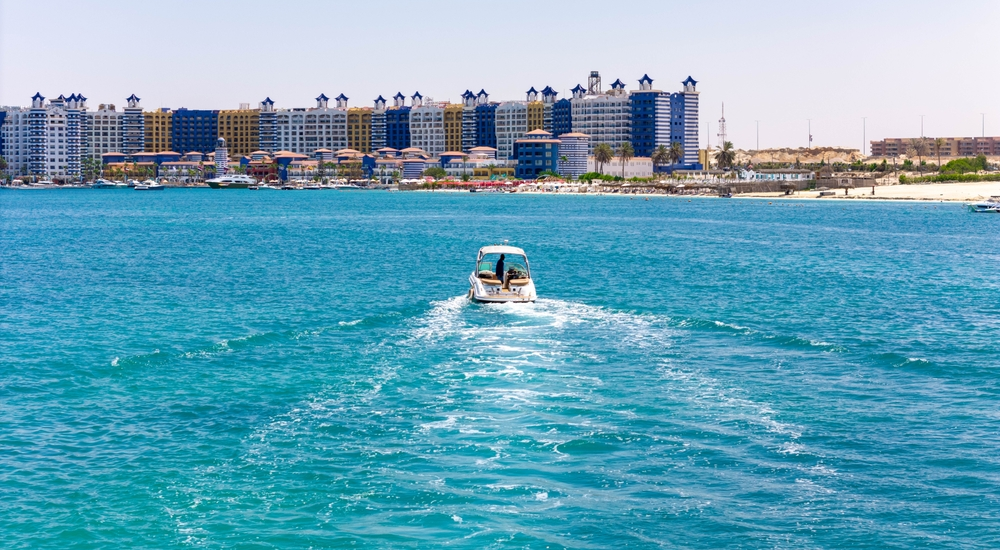
Egypt’s unique geographic position at the intersection of Africa, Asia, and Europe connects the Mediterranean and Red Sea ecosystems. This strategic location makes Egypt an ideal hub for regional cooperation on marine protection, pollution mitigation, and the development of a sustainable blue economy, facilitating cross-regional initiatives and partnerships.
Regional Environmental Challenges:
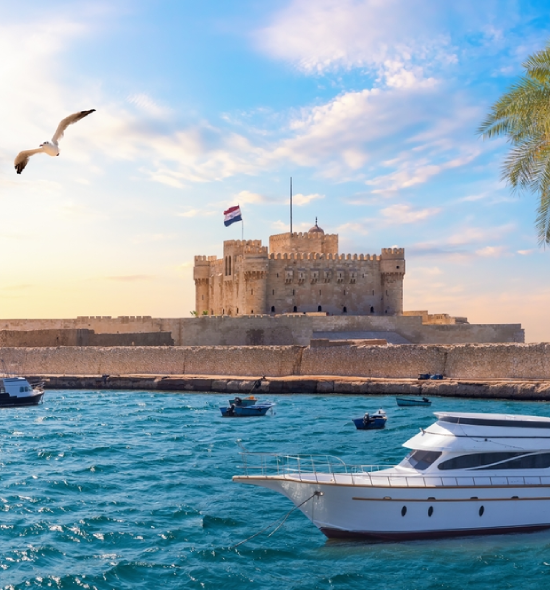
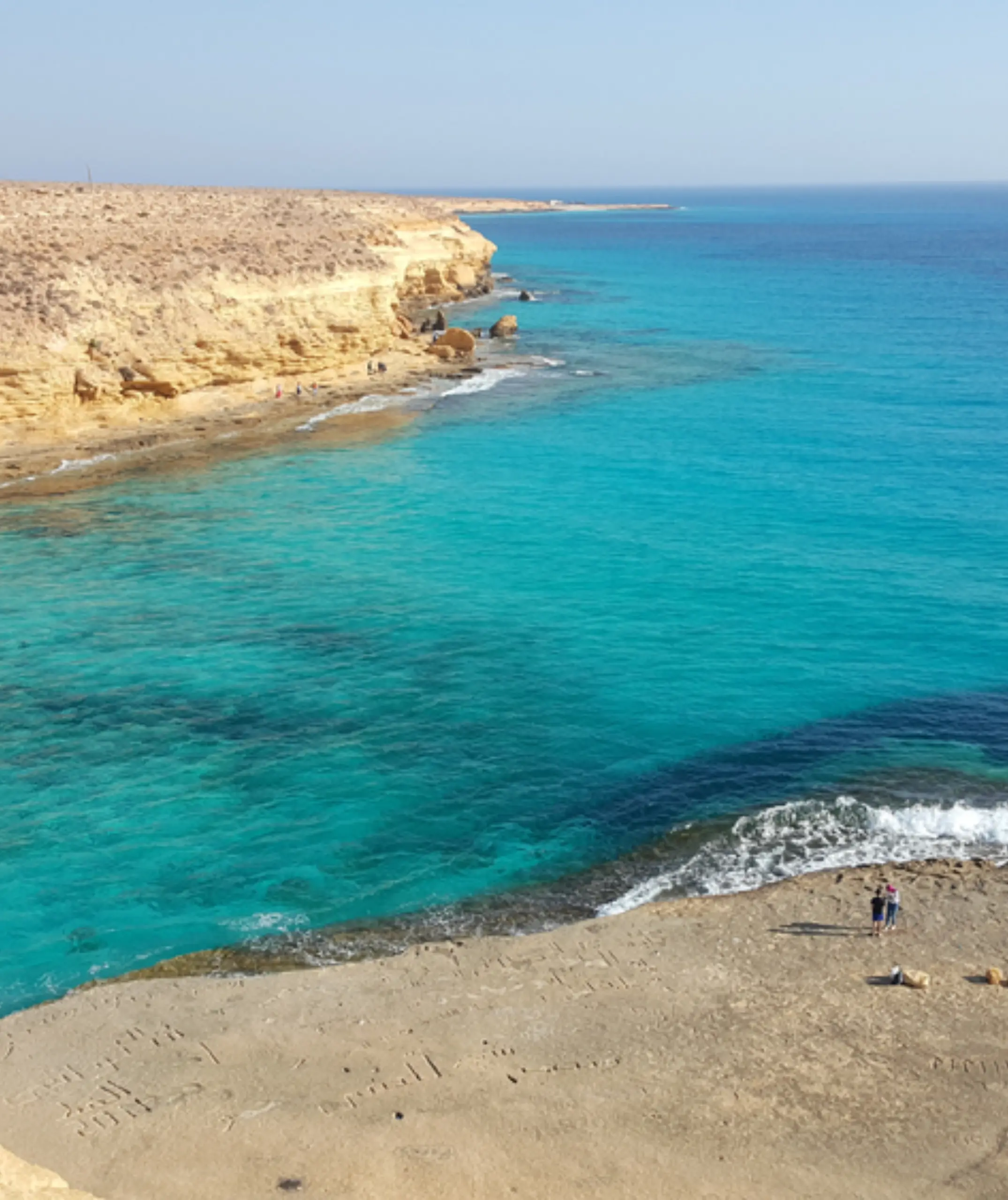
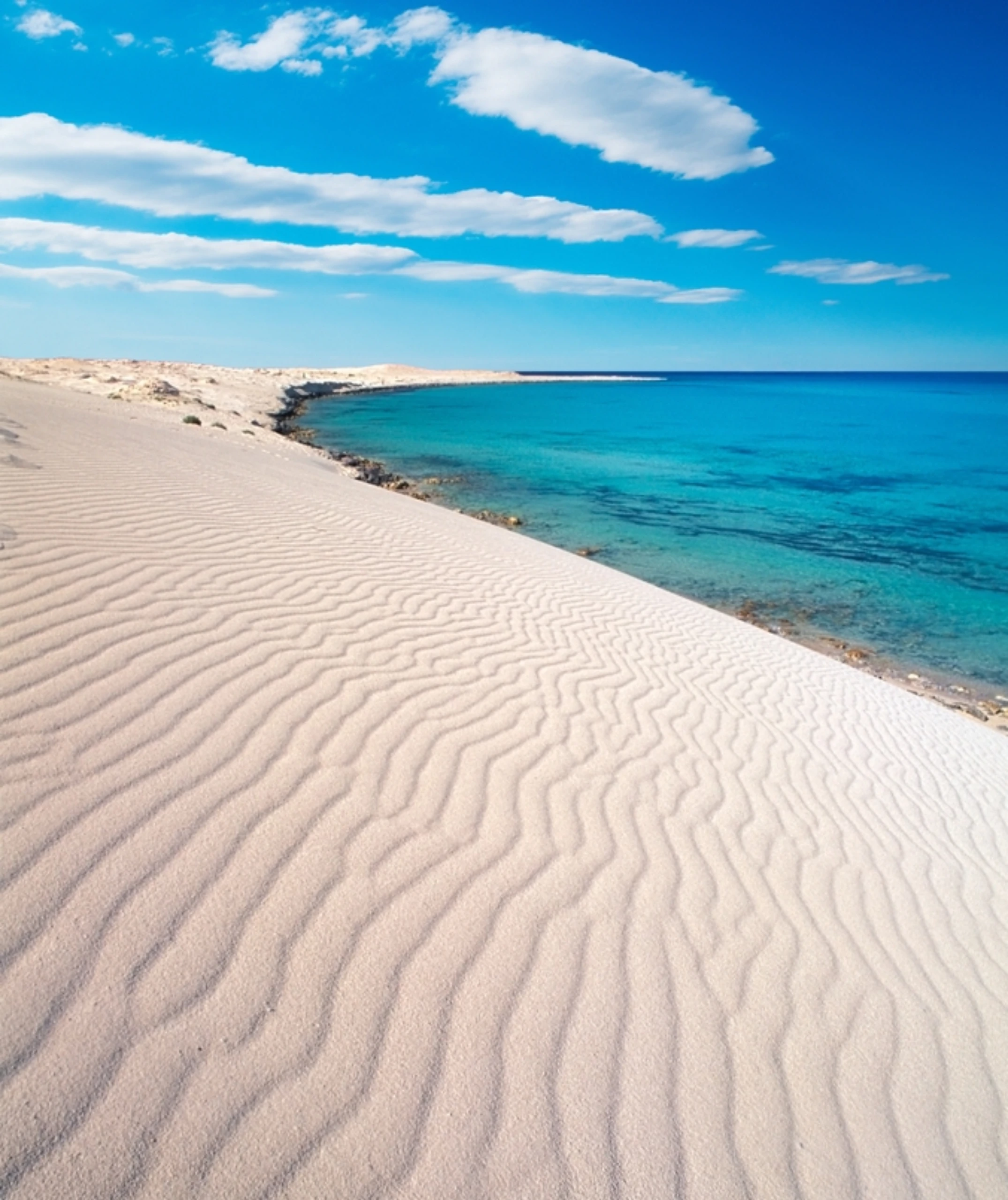
Egypt’s extensive coastline and coastal communities are directly impacted by critical issues central to the Barcelona Convention, such as coastal erosion, marine litter, biodiversity decline, and land-based pollution. Hosting COP24 in Egypt highlights these shared Mediterranean challenges, raising awareness and galvanizing collective efforts to implement effective solutions.
Bridge for North–South Cooperation:
As a developing country within the Mediterranean region, Egypt offers an essential platform for fostering dialogue and collaboration between northern and southern Mediterranean nations. Its strong institutional frameworks and commitment to regional development enable it to promote equitable partnerships, capacity-building, and shared environmental progress across the region.
- From an environmental perspective, the COP24 underscores the importance of protecting the marine and coastal environment in the region and facilitating the exchange of experiences and knowledge on achieving sustainable development and preserving the biodiversity of the Mediterranean Sea.
- From an economic perspective, the COP24 offers an opportunity to strengthen economic cooperation among Mediterranean countries and promote investment in the maritime and ecotourism sectors, as well as the sustainable and efficient use of natural resources.
- From a social perspective, the COP24 contributes to balancing the economic, social, and environmental needs of local communities in Mediterranean countries and fostering cooperation and solidarity among them to improve quality of life and achieve sustainable development.
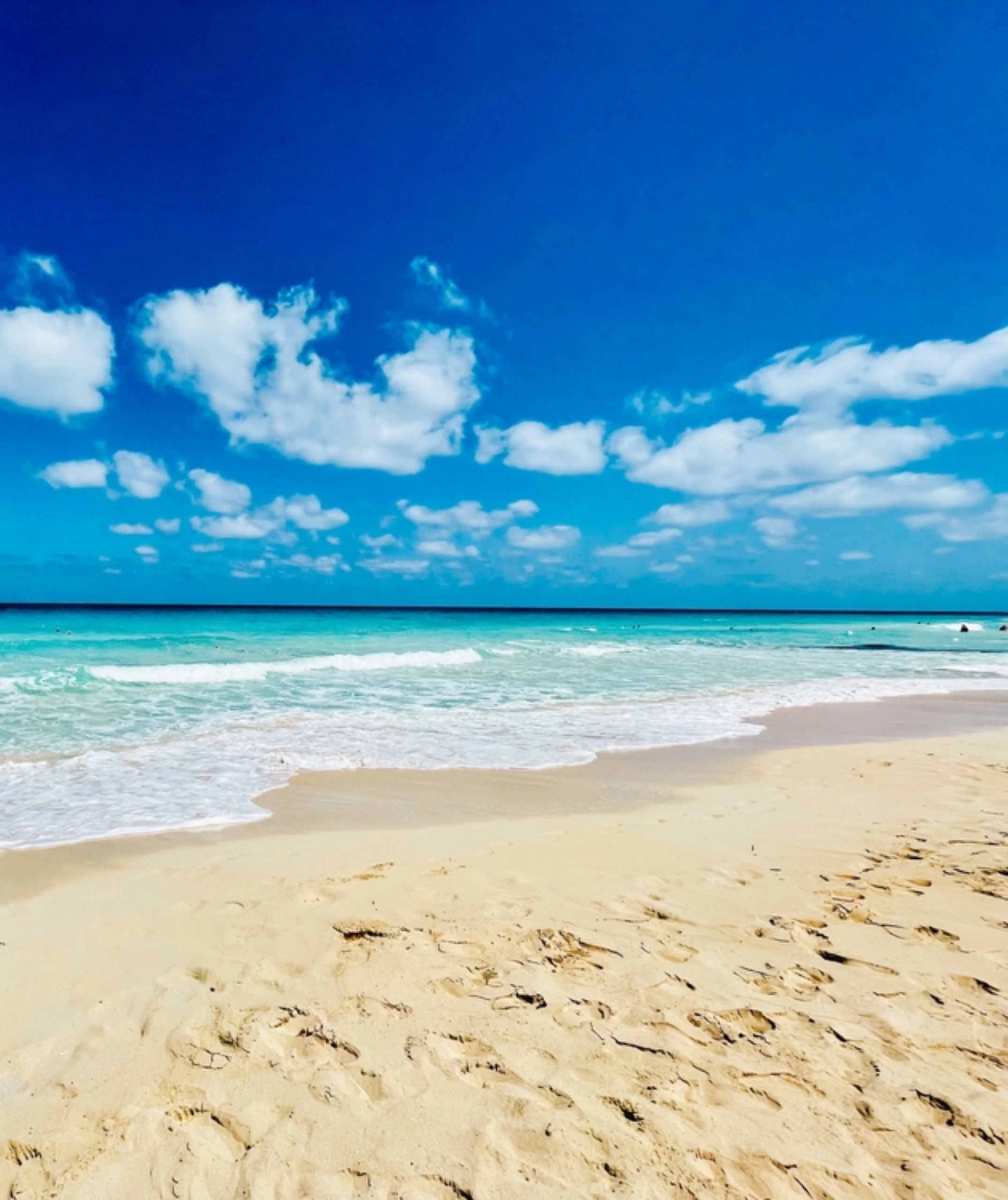
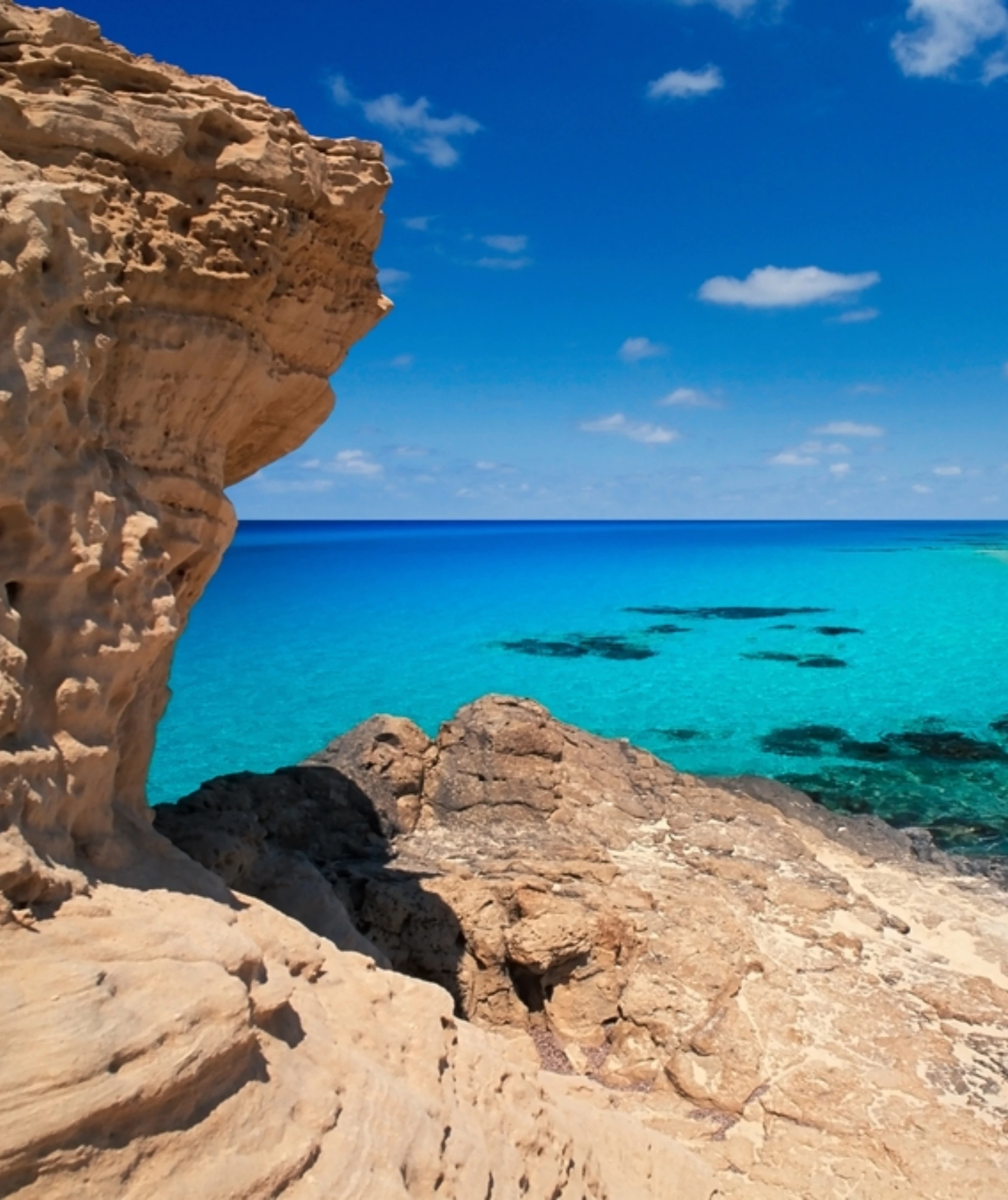
It is crucial to formulate resolutions that promote the conservation of biodiversity in the Mediterranean and the sustainable and efficient use of natural resources. Plans and programs must also be developed to address environmental challenges such as marine pollution, climate change, and the loss of wildlife and marine life.
The Cairo Declaration, expected to be launched during the conference, is a significant step in strengthening cooperation among member states and enhancing joint efforts to achieve sustainable development. The declaration is anticipated to receive strong support from governments, civil society, and the private sector, and will have a substantial impact on promoting regional cooperation and the implementation of sustainable development strategies.
Furthermore, the Cairo Declaration could include commitments to enhance cooperation in specific areas such as environmental sustainability, the blue economy, promoting innovation and clean technology, creating job opportunities, and strengthening community participation in decision-making processes.