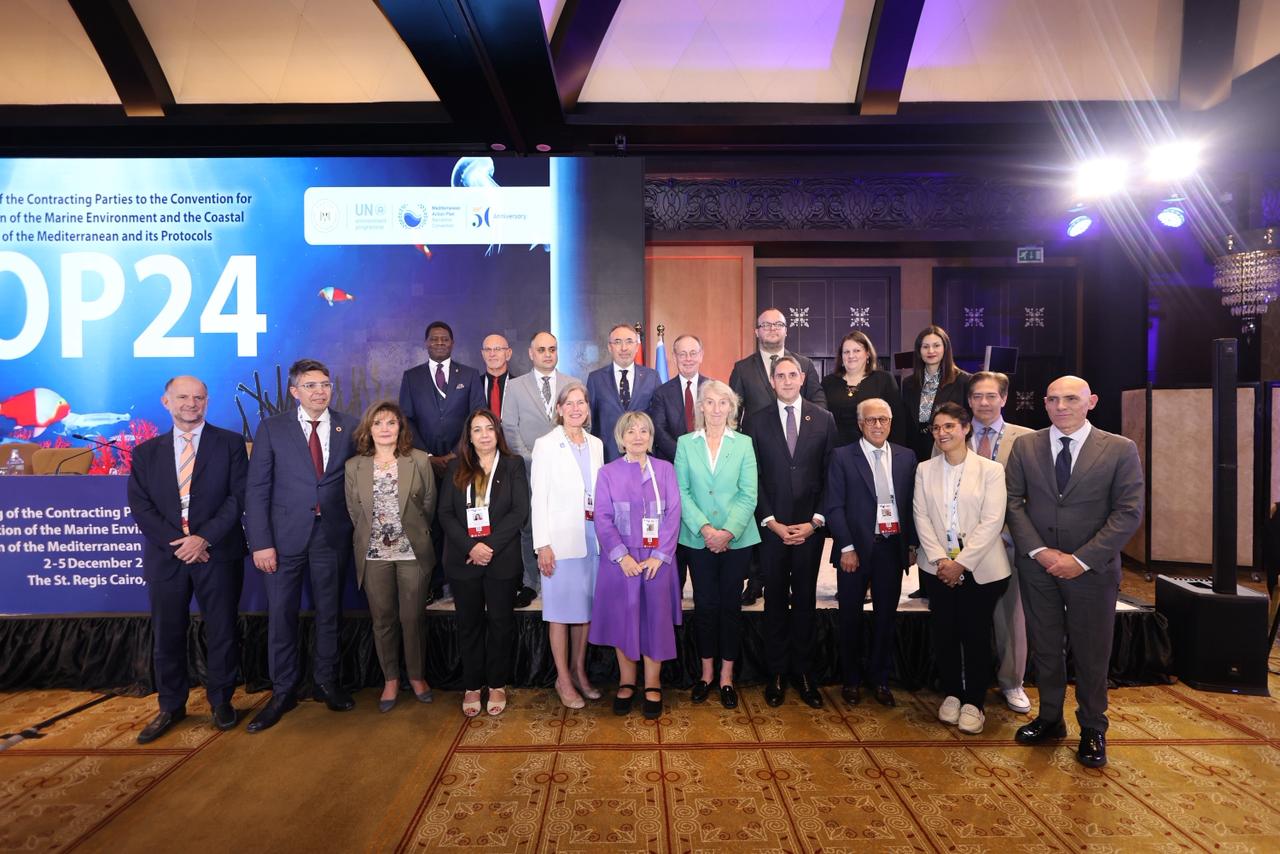
Press Report on “Day Three Activities of COP24 of the Barcelona Convention”
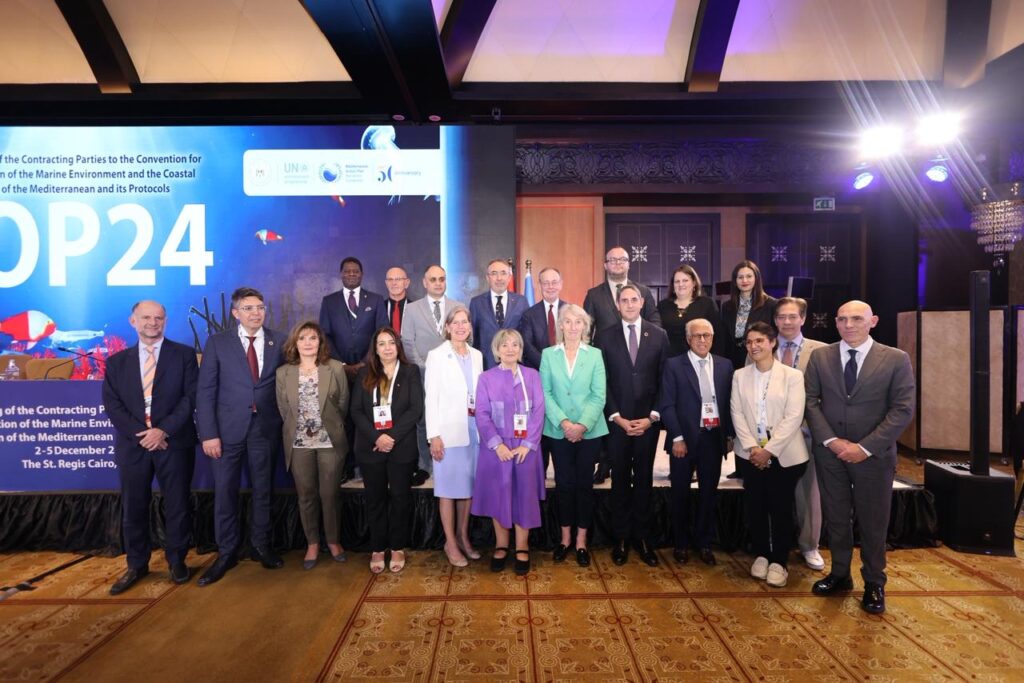
The third day of the Twenty-Fourth Conference of the Parties to the Barcelona Convention in Cairo witnessed significant momentum, featuring high-level events and sessions that formed a pivotal point in the conference’s trajectory following the official announcement of the Cairo Ministerial Declaration. Mediterranean countries reaffirmed their shared commitment to protecting the marine and coastal environment and promoting a sustainable blue economy, amid growing regional cooperation that responds to the escalating environmental challenges in the region.
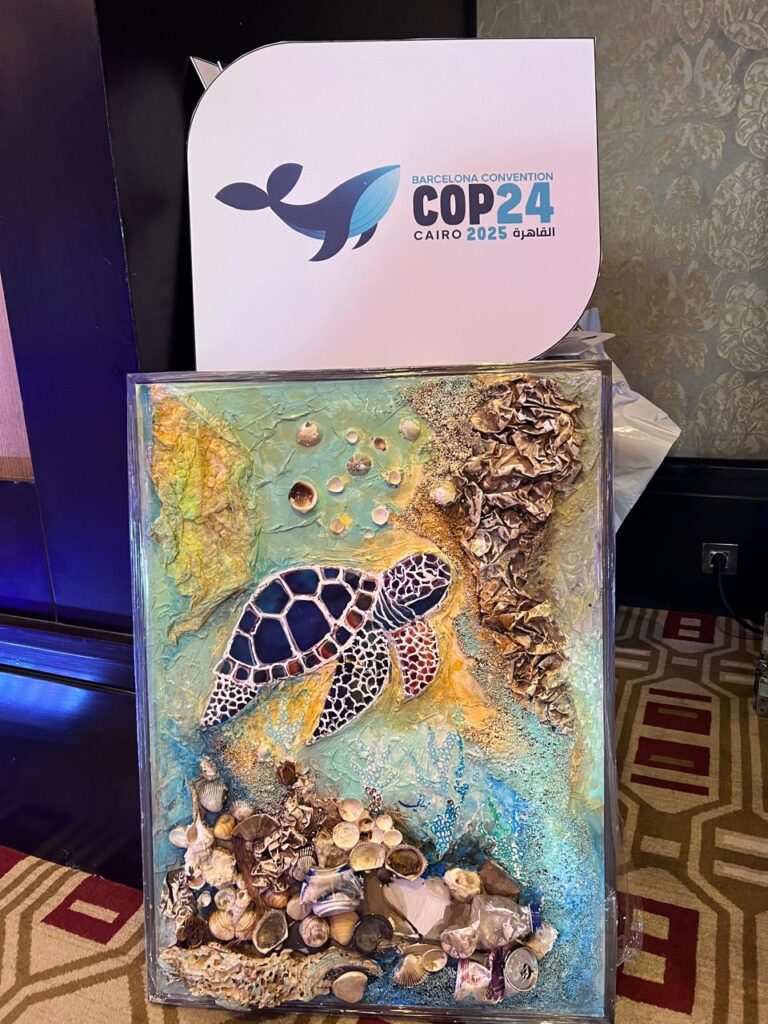
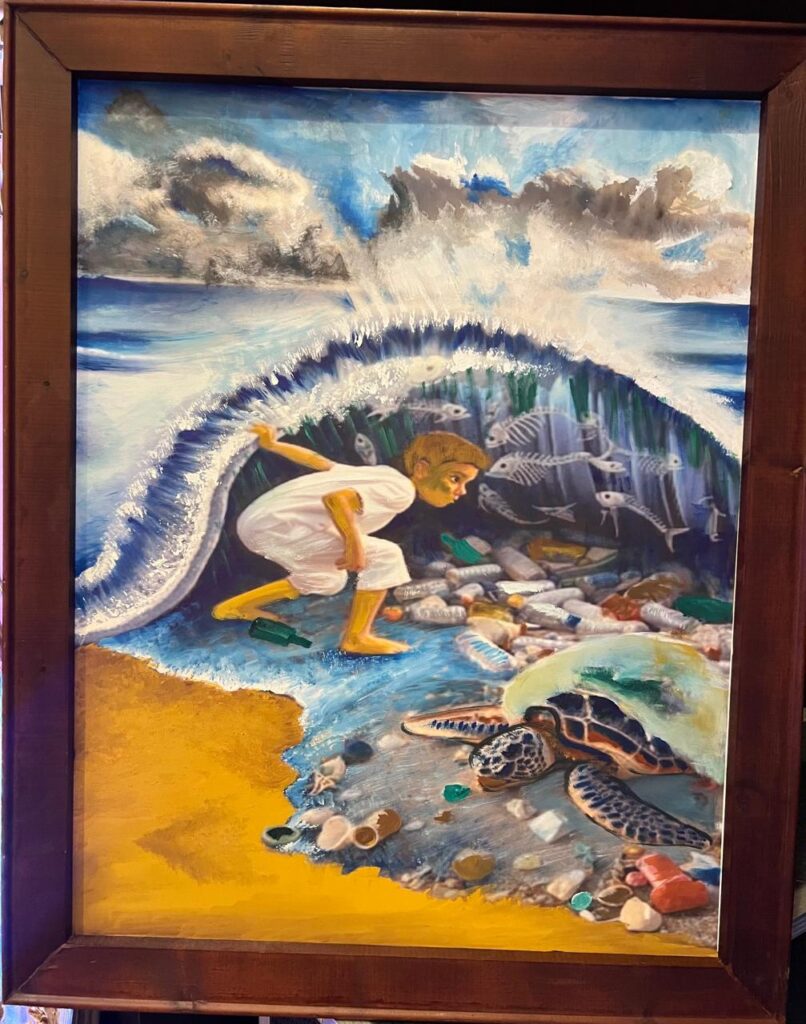
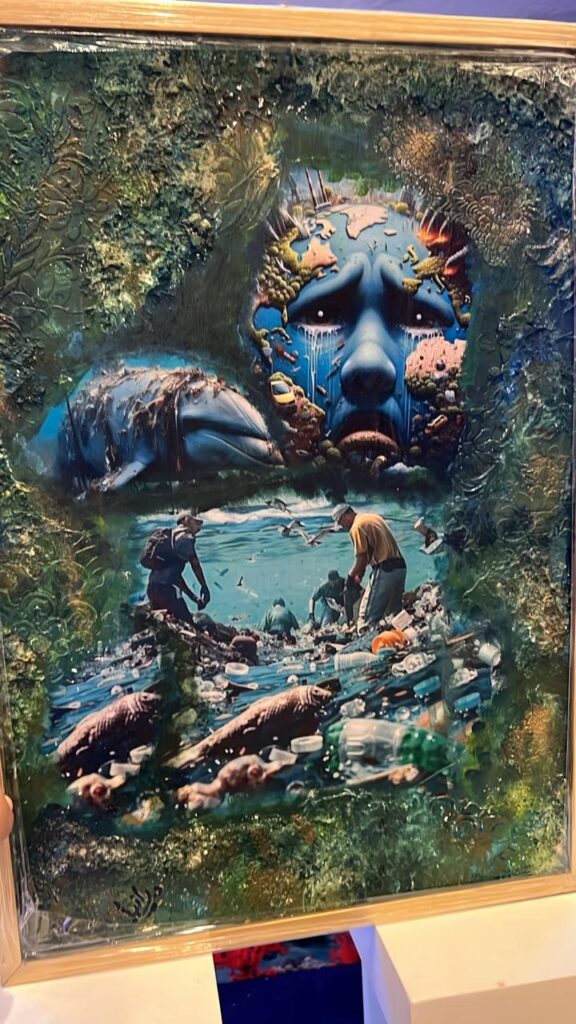
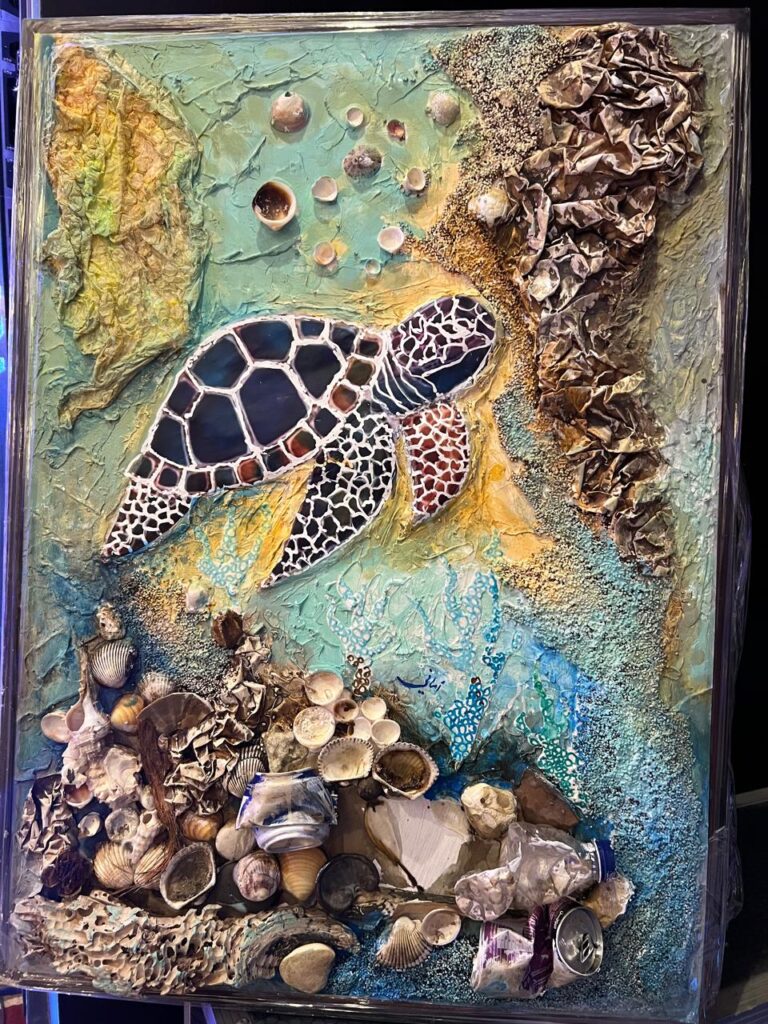
The day included several specialized sessions addressing issues of biodiversity, sustainable ecosystem management, development of joint environmental policies, and the “Make Green” initiative, which showcased sustainable green art at COP24 of the Barcelona Convention. These activities marked a turning point in shaping the regional environmental agenda for the coming years. The day’s events were as follows:
1. Opening of the Ministerial Segment of COP24
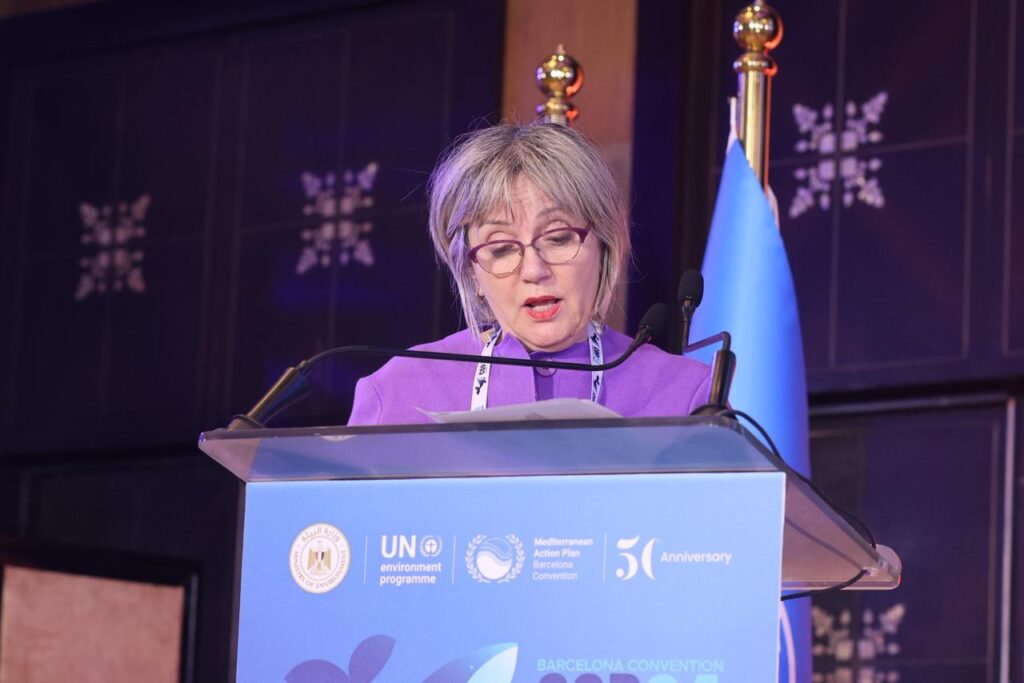
Dr. Manal Awad, Minister of Local Development and Acting Minister of Environment, inaugurated the ministerial segment of the conference, affirming that Egypt’s presidency of the current session reflects regional confidence in its leadership in efforts to protect the Mediterranean Sea. She explained that the “Cairo Declaration” will focus on promoting sustainability, a fair and inclusive blue economy, nature-based solutions, and accelerating the implementation of regional environmental plans.
The ministerial sessions presented Egypt’s efforts in protecting the marine environment, including updating biodiversity and climate strategies, developing the marine monitoring system, establishing new protected areas, and expanding plans to reduce plastic pollution. A short introductory film was also presented on the importance of the Mediterranean Sea to Egypt, the governmental and civil society efforts to protect its environment, and Egypt’s aspirations for the Mediterranean region during its presidency of COP24 of the Barcelona Convention.
2. Review of the Achievements of the Barcelona Convention
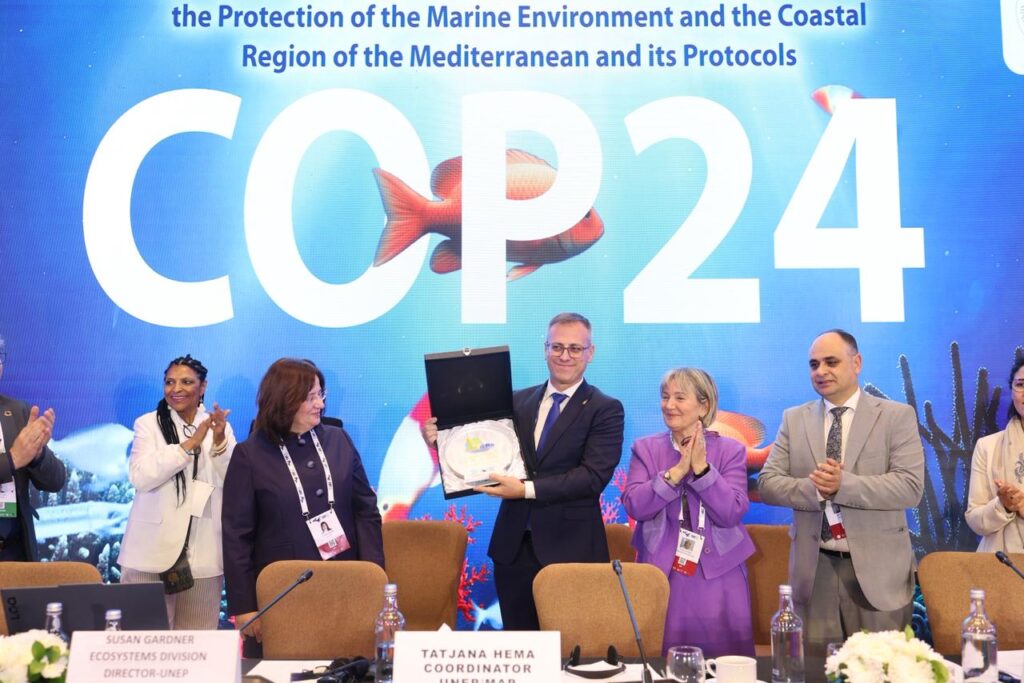
Tatiana Hema, Coordinator of the UNEP/MAP—Mediterranean Action Plan, presented a comprehensive review of activities implemented since the previous session, including pollution reduction, support for ecosystems, integrated coastal zone management, climate adaptation, and strengthening monitoring programs. She also highlighted the continued cooperation among Mediterranean countries and the substantial support from the European Union and the Mediterranean Trust Fund.
3. “Make Green” Initiative Participates in COP24 with Sustainable Green Art
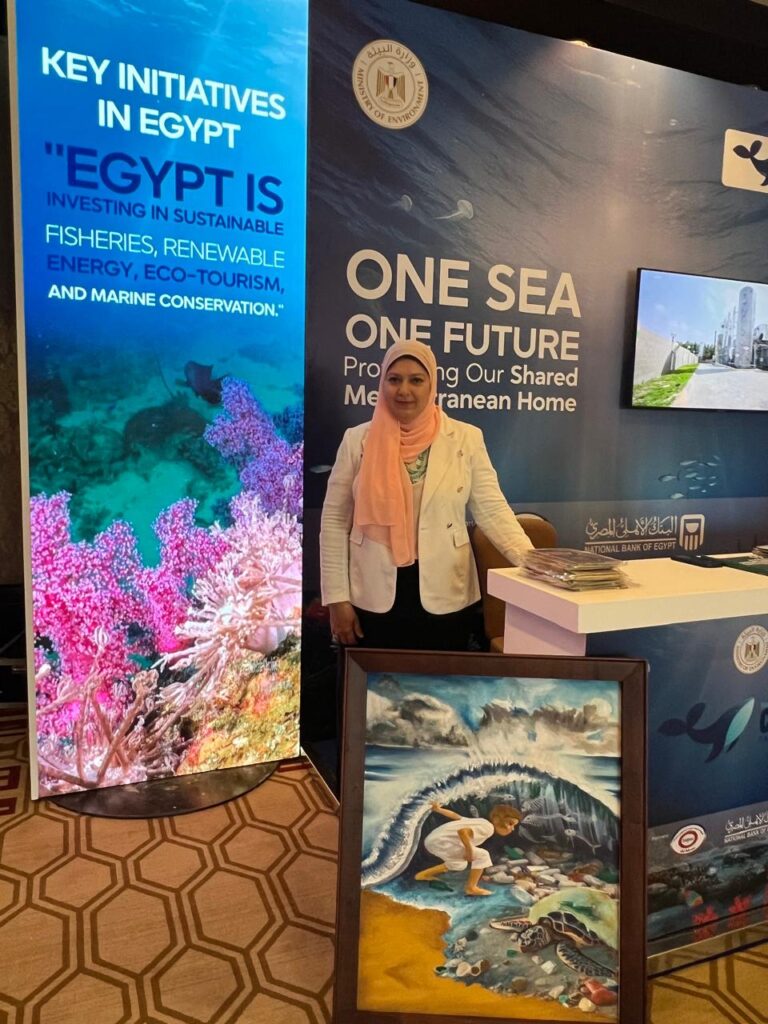
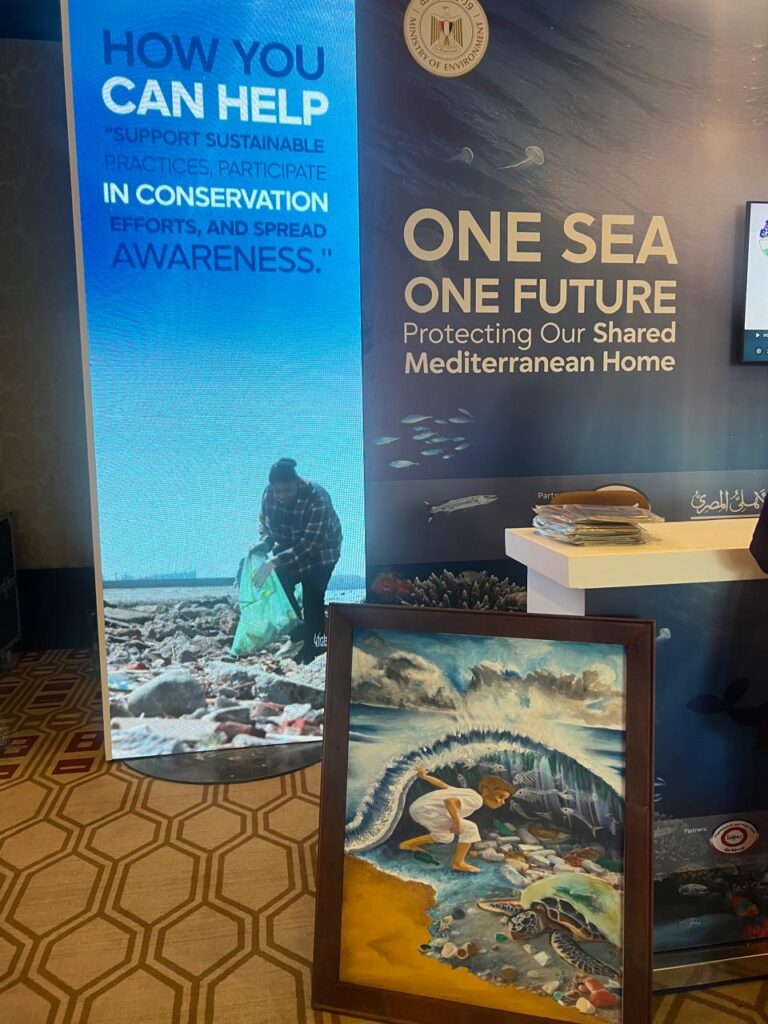
Under the patronage of Dr. Manal Awad, Minister of Local Development and Acting Minister of Environment, the “Make Green” initiative led by Dr. Aisha Badawi took part in an art exhibition held on the sidelines of COP24 of the Barcelona Convention.
Twenty-three Egyptian female artists presented artworks using recycled materials to shed light on environmental and Mediterranean marine protection issues. The exhibition, titled “Eve… Heritage and Environmental Sustainability,” highlighted the integration of art with environmental awareness, women’s empowerment, and inclusion of persons with disabilities, presenting a pioneering Egyptian model of sustainable art.
4. Sessions and Side Events
1) Session: “Restoring Mediterranean Coasts: Linking Local Practices and Policies for Biodiversity and Climate Adaptation”
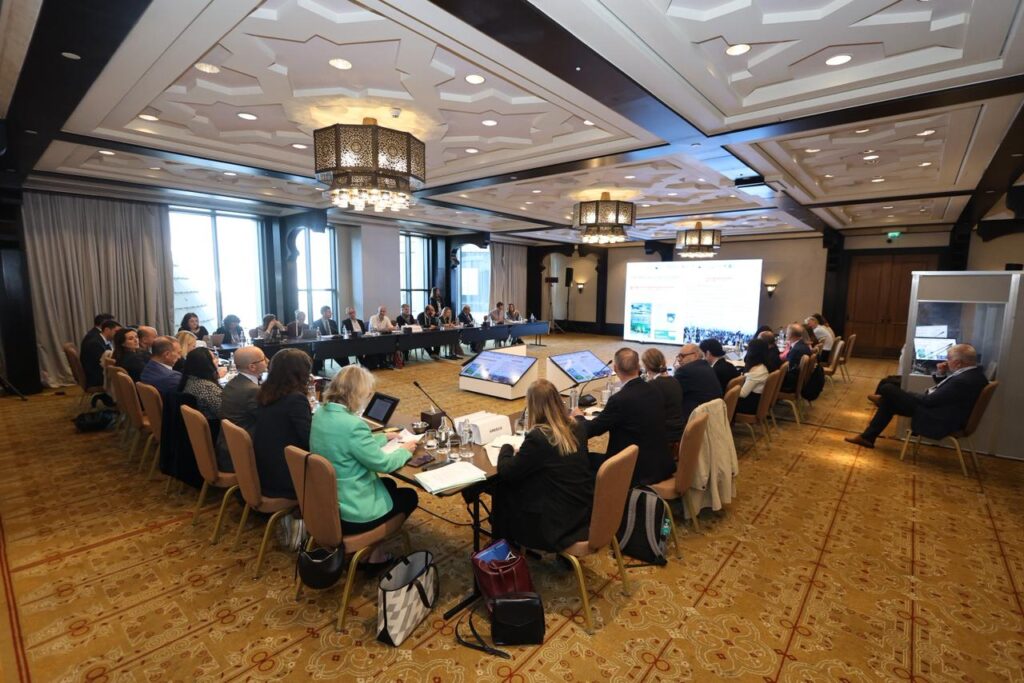
The session addressed the importance of restoring coasts and wetlands as a natural defense against the impacts of climate change. Regional initiatives such as Wetland4Change and REST-COAST were showcased. Discussions emphasized establishing a regional restoration plan based on a multi-ecosystem approach, creating a Mediterranean knowledge platform for nature-based solutions, and securing financing for environmental projects.
2) Session: “Pelagos Initiative – Targeting the Ecosystem”
Organized by the Prince Albert II of Monaco Foundation – Pelagos,
this session focused on efforts to protect threatened marine species such as whales, dolphins, and sharks through transboundary protected area models like the Pelagos protected area. Specialized organizations presented successful experiences in managing these habitats, encouraging Mediterranean countries to adopt similar models to enhance biological sustainability.
3) Session: “Blue Future: Inclusive Pathways Toward a Regional Vision for Integrated Coastal and Marine Management”
Organized by the Priority Actions Programme / Regional Activity Centre (PAP/RAC), part of the Mediterranean Action Plan (MAP) under UNEP, in cooperation with the Arab Network for Environment and Development (RAED).
The session presented international experiences in implementing integrated coastal zone management (ICZM). The session also included experiences from Turkey, Tunisia, and Albania, with a focus on planning tools and the use of marine spatial planning. The Egyptian initiative “No to Plastic” initiative was presented as part of national efforts to reduce waste and promote the circular economy.
4) Session: “Alliance of 100 Million Mediterranean Marine Areas for Climate Emergency Response”
This session discussed tools to support marine protected areas in developing climate adaptation plans, including monitoring methods and case studies from coastal and blue forests in more than 30 Mediterranean sites. The session emphasized the importance of nature-based solutions in enhancing ecosystem resilience.
5) Session: “Women and Young Girls Facing the Risk of Climate-Induced Displacement”
Organized by the Mediterranean Youth Foundation,
this session focused on the social dimension of climate change, particularly its impact on women and girls in coastal areas. Data on climate-induced displacement and rising socio-economic vulnerabilities were presented. The session underscored the need to integrate gender into climate adaptation and mitigation policies.
6) Session: “Africa Grows Green Awards”
Organized by the Sustainability of Quality of Life for Development and Advancement (under the African Union),
the session honored winners of the “Africa Grows Green” awards in the fields of mitigation, adaptation, women’s empowerment, and green innovation. Success stories were showcased from African entrepreneurs and leading environmental initiatives, highlighting the role of the private sector in supporting the green transition.
7) Ministerial Session on “Sustainable Blue Economy for a Resilient and Healthy Mediterranean”
The session explored the role of the blue economy in driving sustainable development across Mediterranean countries, through the development of sectors such as ecotourism, fisheries, maritime transport, and ocean energy. New financing tools and advanced marine spatial planning models were presented, along with the Egyptian and Tunisian experiences in coastal protection and marine sector development.
8) Panel Discussion: “From Science to Action: Strengthening Cooperation to Protect Priority Species and Habitats in the Mediterranean Sea”
Organized by the Agreement on the Conservation of Cetaceans of the Black Sea, Mediterranean Sea and Contiguous Atlantic Area (ACCOBAMS), the Mediterranean Association for the Protection of Sea Turtles, and the French Office for Biodiversity (OFB).
The session showcased several regional initiatives aimed at protecting seagrass meadows and threatened marine habitats through accurate data collection, species distribution mapping, and monitoring of environmental pressures. A roadmap and guidelines for active and passive restoration were presented, helping countries implement scientific measures and effective policies. These initiatives also provide harmonized and comparable datasets among countries, used to identify Key Biodiversity Areas (KBAs) and guide the establishment of Marine Protected Areas and Other Effective Area-based Conservation Measures (OECMs), contributing to achieving the Sustainable Development Goals.
9) Side Event: “Supporting the Implementation and Monitoring of Sustainable Development in the Region”
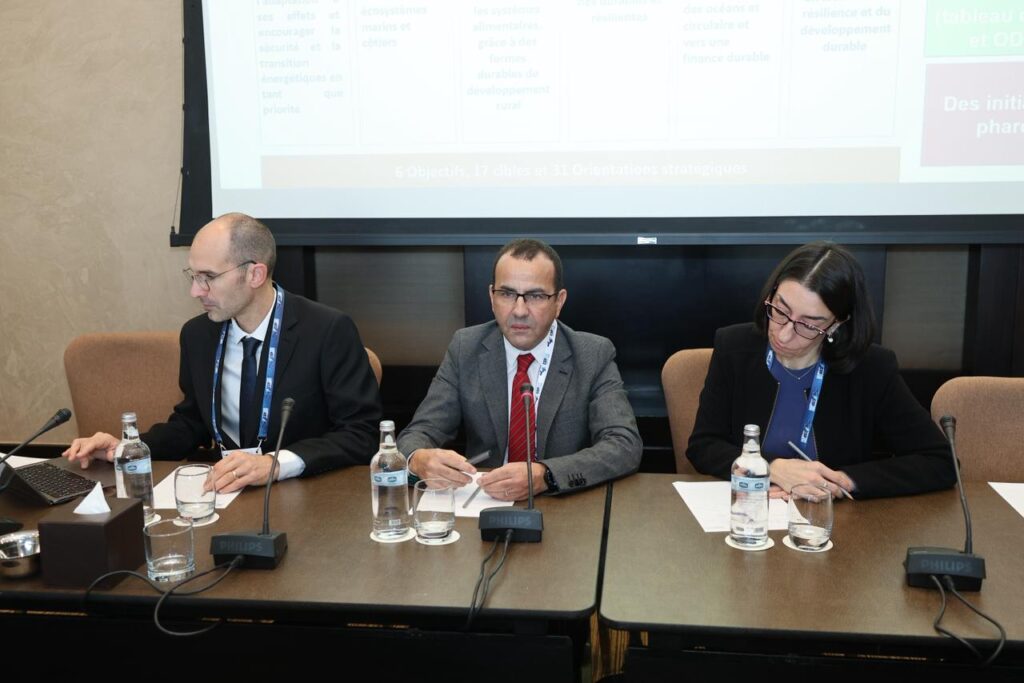
Organized by the United Nations Environment Programme (UNEP), this session highlighted the importance of the Mediterranean Strategy for Sustainable Development (MSSD), launched in 2005 as a policy and operational framework guiding development in the region. Participants reviewed the success of the strategy and its sustainability dashboard, recently updated to include ten core indicators aligned with global and regional commitments. It addresses key issues such as climate adaptation, conservation of natural resources, nature-based solutions, circular economy, and sustainable finance.
The session emphasized the importance of youth and women’s participation, private sector engagement, and providing adequate financial resources to local authorities to drive the green transition and advance progress toward the 2030 Agenda for Sustainable Development.
10) Session: “Synergy Between the Private Sector and Parliamentarians to Support the Blue Economy”
This session addressed the role of parliaments in establishing policies that promote sustainable investment, as well as the private sector’s role in driving innovation and implementing projects that support the blue economy. The need for cooperation between both sectors to achieve sustainable development in the Mediterranean region was highlighted.
11) Session: “Science, Education, and Cooperation for a Resilient Mediterranean Region”
The session emphasized the role of science and research in reducing pollution and promoting the blue and circular economy, with the participation of universities, civil society, and youth in awareness efforts and marine environmental protection. Youth initiatives from Africa and the Mediterranean region were presented to enhance awareness of environmental and sustainable development issues.
12) Session: “Pathways to a Thriving Mediterranean Blue Economy: Resilience, Innovation, and Sustainability”
The session discussed the need to develop policies and strategies that support sustainable development and the circular economy to preserve natural resources, with a focus on challenges related to declining fisheries and food security. Initiatives for blue tourism and the “Teramed” campaign to transform the Mediterranean into a hub for green and blue energy were also presented.
13) Session: “Enhancing Marine and Coastal Protected Areas Management in the Mediterranean”
The event aimed to strengthen the management of marine protected areas in the Mediterranean through a coordinated approach involving national and international partners. The Egyptian national strategy for marine protected areas was presented, identifying new areas for protection and enhancing unified management systems to support sustainable development and biodiversity conservation.
5. Presentation of the Istanbul Environmentally Friendly City Award 2024/2025 to Málaga, Spain
On the sidelines of COP24 of the Barcelona Convention,
Dr. Ali Abou Sena, CEO of the Egyptian Environmental Affairs Agency, presented the fifth edition of the Istanbul Environmentally Friendly City Award to the Spanish city of Málaga in recognition of its efforts to promote sustainable development and protect the coastal environment. The award is one of the flagship initiatives of UNEP/MAP, honoring cities that apply advanced environmental standards in nature protection, urban environmental management, socio-economic sustainability, and governance. Málaga was selected for its rich biodiversity and strong national and local commitment to sustainable environmental management.
6. Issuance of the Cairo Ministerial Declaration at COP24 of the Barcelona Convention
Dr. Manal Awad, Minister of Local Development and Acting Minister of Environment, announced the issuance of the Cairo Ministerial Declaration at the conclusion of Day Three of COP24, affirming the renewed commitment of Mediterranean ministers to protecting the marine and coastal environment and ensuring the sustainable use of its resources as a foundation for stability, development, and prosperity in the region.
The declaration emphasized the importance of regional cooperation, protecting biodiversity for future generations, and welcomed the historic entry into force of the Agreement on the Conservation and Sustainable Use of Marine Biological Diversity of Areas Beyond National Jurisdiction (BBNJ). It also reaffirmed the Mediterranean’s role as a cornerstone of multilateral cooperation and peace, and stressed the need to enhance the sustainable blue economy, secure financing, and promote technology transfer.
The declaration further confirmed continued alignment with the 2030 Agenda and the outcomes of the UN Ocean Conference, welcomed progress in the UNEP/MAP 2022–2027 Strategy, and expressed readiness to develop the new 2028–2032 Strategy, while commending Egypt for its successful hosting of the conference.