[December 2nd 2025] On the First Day of COP24 in Cairo: Egypt Assumes the Presidency of the Barcelona Convention and Launches the Pathway for a Sustainable Blue Economy.
… High-level discussions on carbon budgets, plastic pollution, ship emissions, and the role of the private sector in protecting the Mediterranean environment
… Deliberations on safeguarding underwater cultural heritage, reducing pollution from ships, and decommissioning offshore oil and gas platforms
… Celebrating the Golden Jubilee of the Barcelona Convention
… Day-One concludes with several specialized sessions supporting marine biodiversity, wetlands, and technological innovation in the blue economy
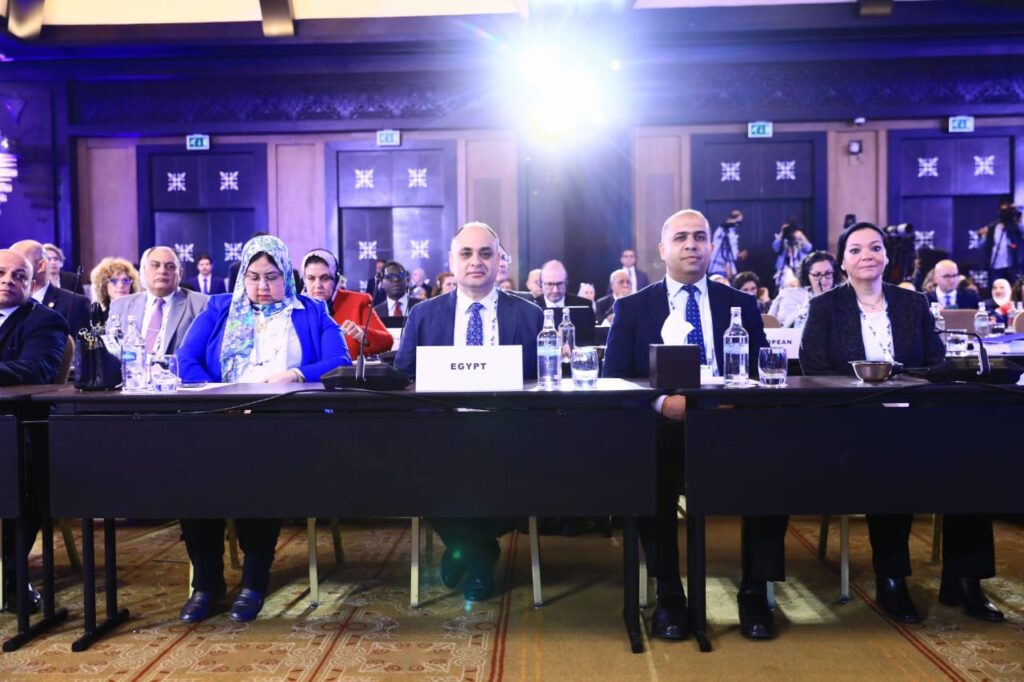
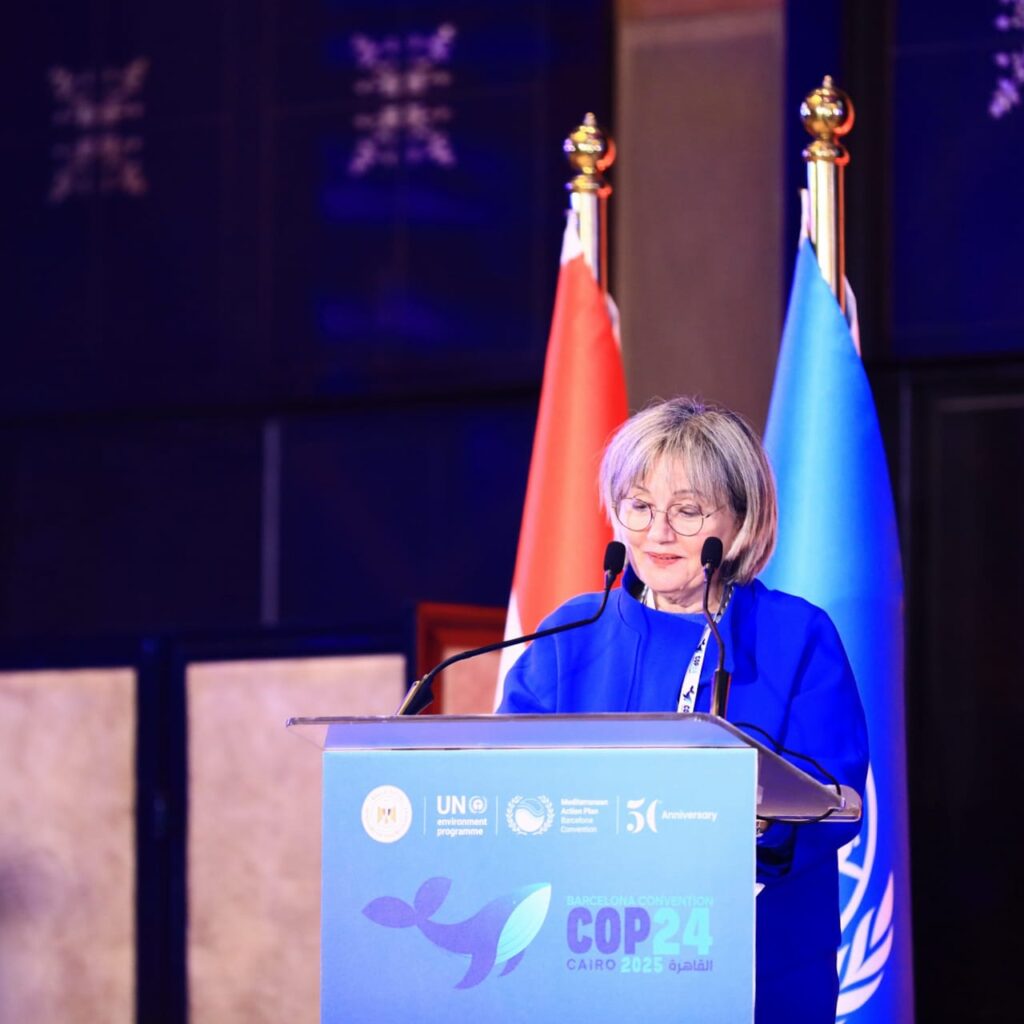
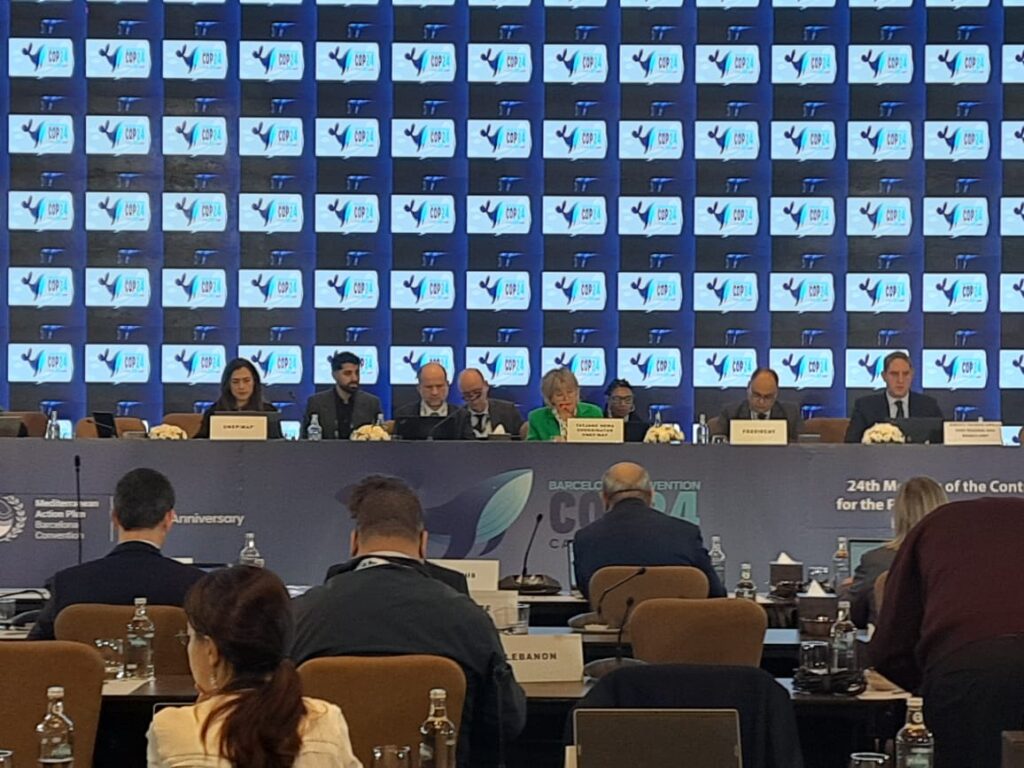
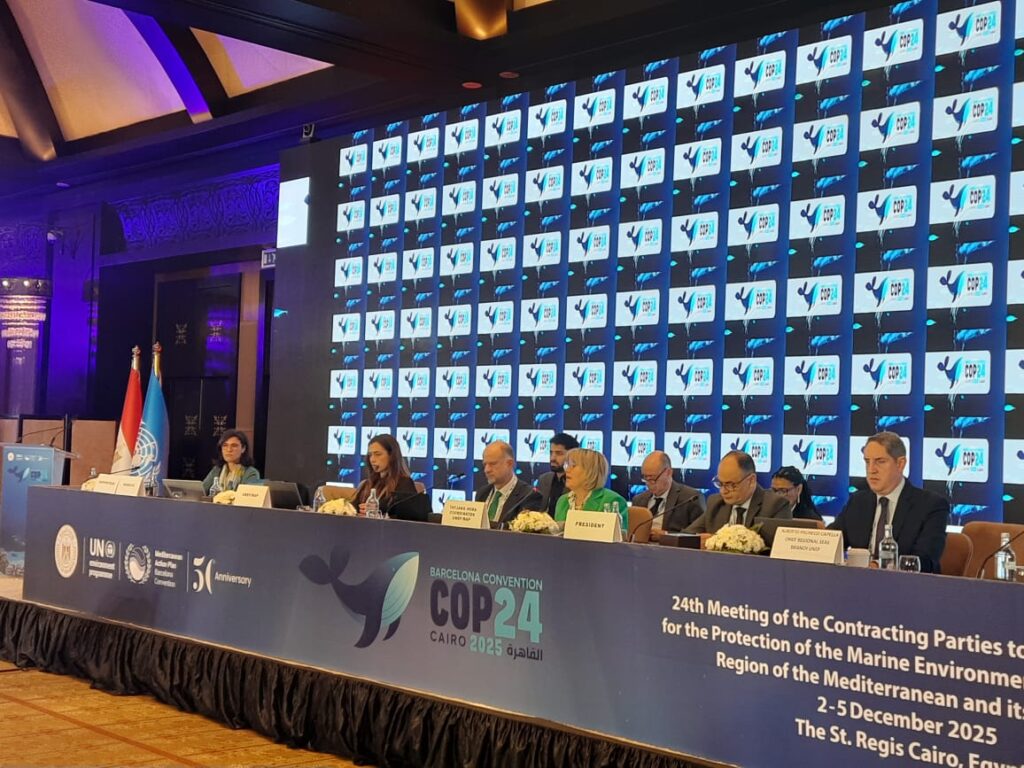
Cairo today witnessed the launch of the first day of the 24th Meeting of the Contracting Parties to the Convention for the Protection of the Marine Environment and the Coastal Region of the Mediterranean (Barcelona Convention – COP24). The event welcomed ministers and representatives from 21 Mediterranean countries, alongside senior leadership from the UN Environment Programme.
Egypt’s hosting of this year’s conference comes amid growing global attention to marine ecosystem protection and the shift toward a sustainable blue economy capable of addressing the environmental and climate challenges facing the Mediterranean region.
The opening day featured numerous activities and a series of high-level side events addressing the key environmental challenges confronting the Mediterranean—most notably climate change, plastic pollution, ship emissions, and the private sector’s role in sustainability.
Opening Session and Egypt’s Assumption of the COP24 Presidency
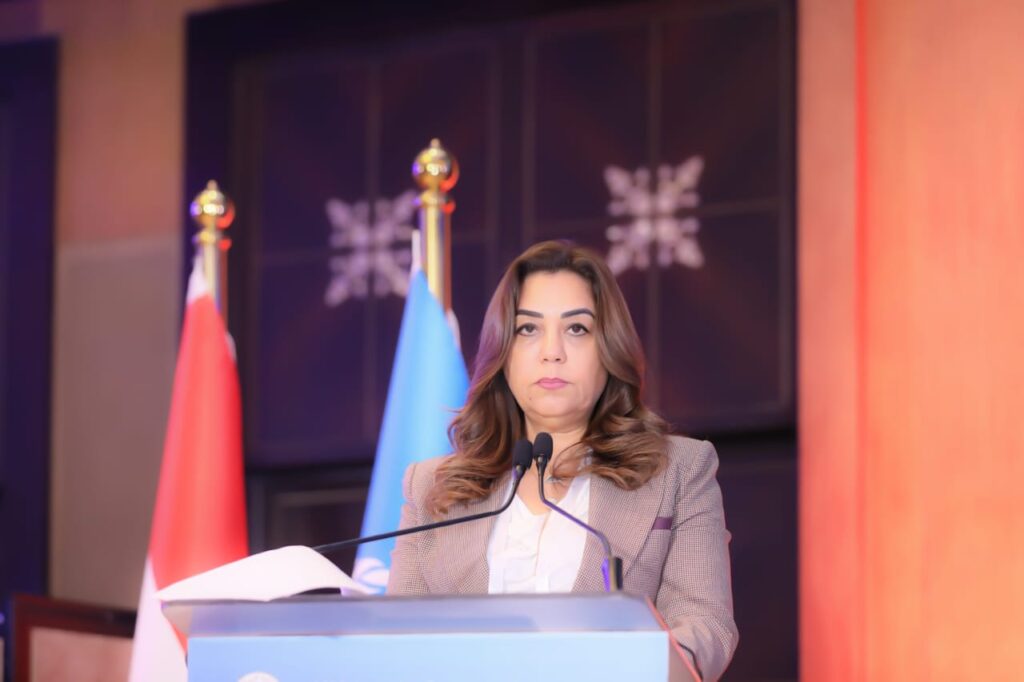
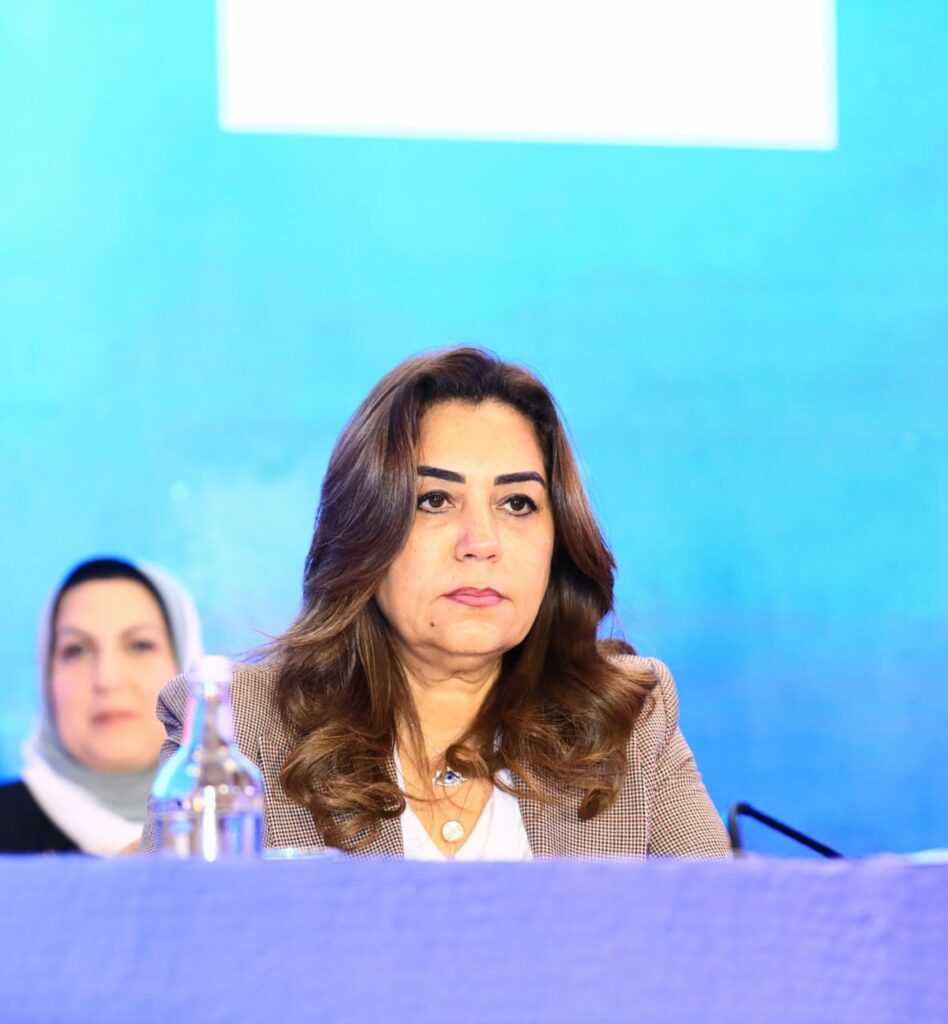
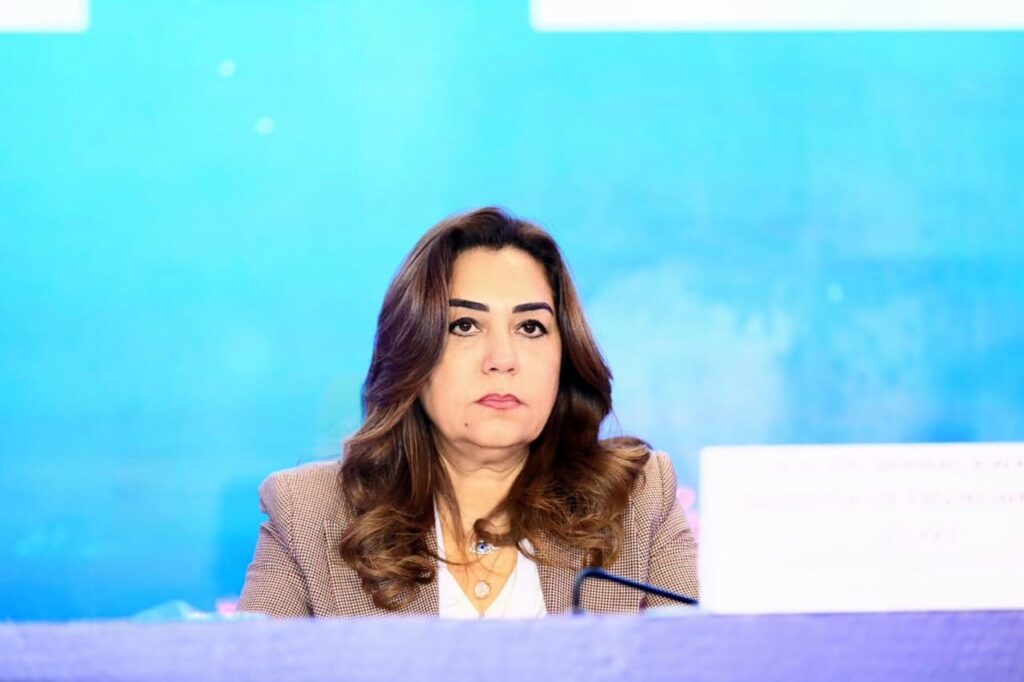
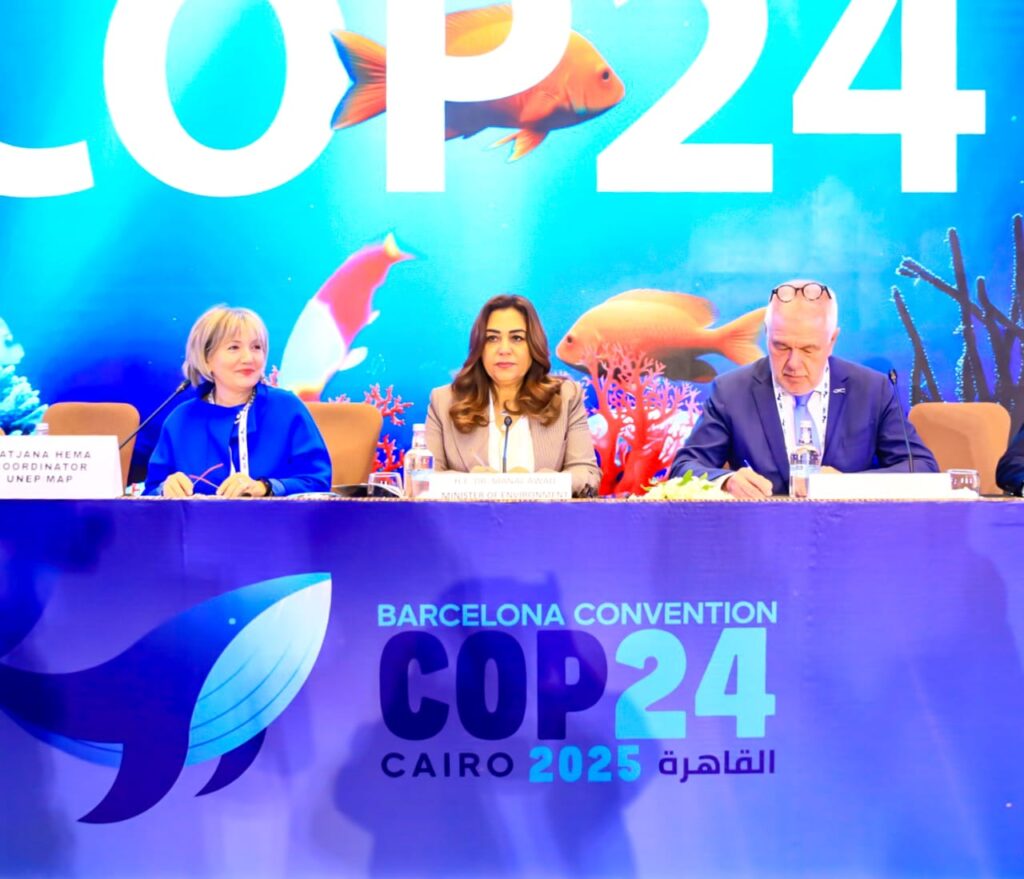
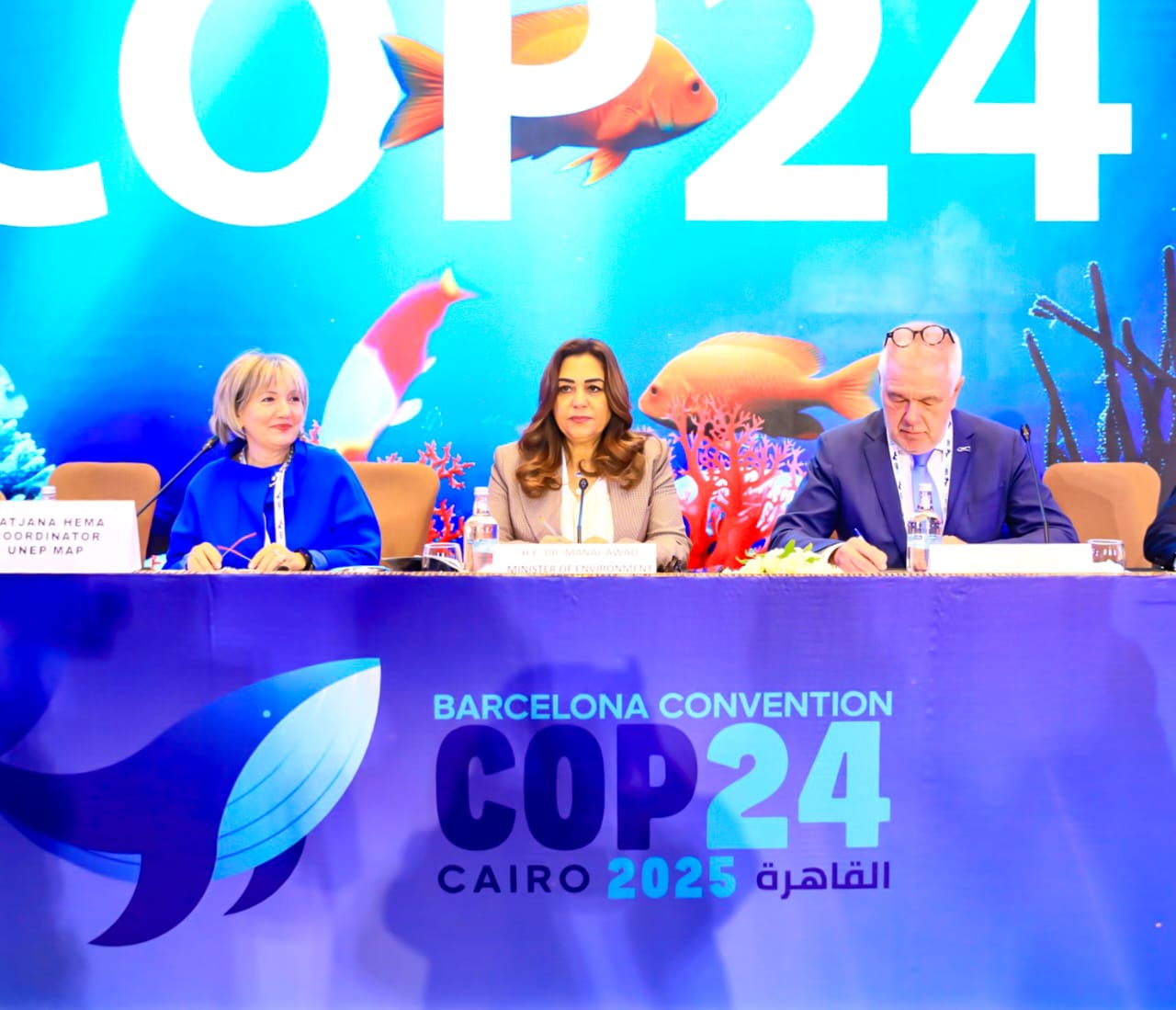
Dr. Manal Awad, Minister of Local Development and Acting Minister of Environment, inaugurated the conference, officially announcing Egypt’s assumption of the COP24 presidency from Slovenia for a two-year term.
In her opening remarks, she affirmed that hosting the conference in Cairo reflects the Mediterranean community’s confidence in Egypt’s leadership and active role in marine environmental protection. She emphasized that marine ecosystems form a developmental and economic foundation for millions of people in Egypt and the region.
Second: Egypt’s National Efforts in Marine Environmental Protection
During the opening session, Dr. Awad highlighted Egypt’s key achievements in recent years, including the development of a national blue economy framework, and the preparation of Egypt’s first comprehensive National Blue Economy Strategy in partnership with the World Bank.
She also noted efforts to promote green investment and nature-based solutions, and to develop value chains in eco-tourism, fisheries, renewable energy, and low-carbon maritime transport—affirming that the blue economy represents a new economic model for achieving growth, creating jobs, and protecting marine biodiversity.
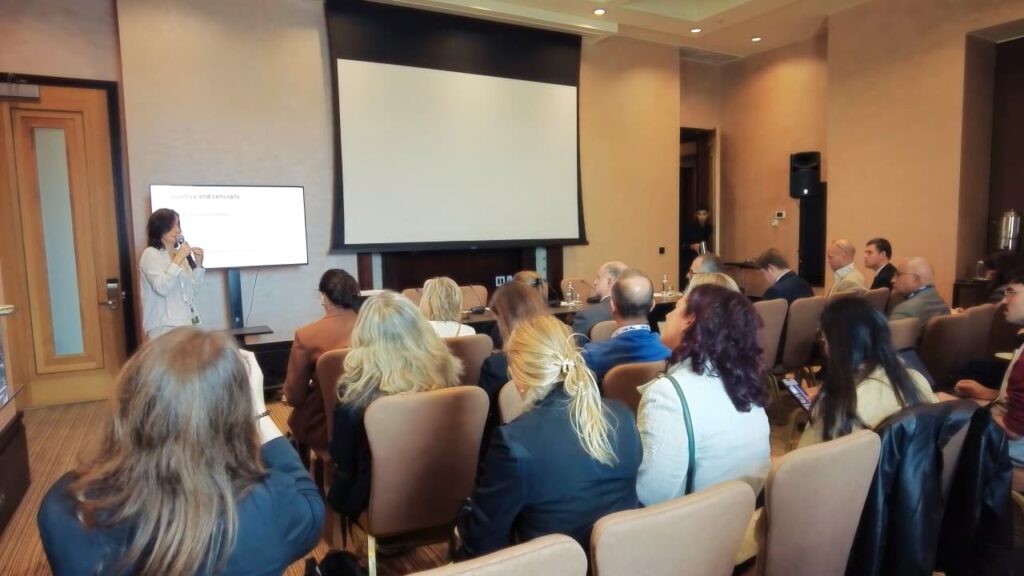
Conference Activities and Side Events
1. Session: “The Carbon Budget of the Mediterranean Region ”
The session presented a new report by the Basque Centre for Climate Change (BC3), developed over two years.
Key findings included:
- The Mediterranean is the second-fastest warming region in the world after the Arctic.
- If current emissions persist, the region’s remaining carbon budget will be exhausted by 2035.
- Mediterranean countries must reduce emissions by 65% annually between 2030 and 2050 to avoid exceeding global warming thresholds.
The report proposed three critical pathways:
- Accelerating immediate emission reductions
- Ending expansion of fossil fuel activities due to their threat to the Paris Agreement goals
- Strengthening regional cooperation under the Barcelona Convention to drive fossil fuel phase-out and harmonize climate strategies.
2-Session: “Towards a Mediterranean Protocol on Plastic”
The session explored the impacts of single-use plastics on marine species, the role of civil society, youth, and local authorities, and strategies for waste separation and integrated waste management.
It reviewed ongoing and new initiatives to combat plastic pollution.
A key proposal was introduced to develop a new Mediterranean Plastic Protocol during COP24, aiming to prevent, manage, and eliminate plastic pollution, strengthen the Barcelona Convention framework, recognize the Mediterranean Sea as a distinct legal environmental entity, and establish binding commitments for Member states.
3-Side Event by Sidi Kerir Petrochemicals Company (SIDPEC):
“The Private Sector on the Path to Sustainability”**
SIDPEC, the conference’s official sponsor, showcased its carbon-neutrality and circular-economy initiatives.
Highlights included:
Carbon neutrality strategies and energy efficiency improvements,Projects implemented with EPAP Program,Environmental impact assessment approvals for seven new projects,Integration with the Ministry of Environment’s real-time air and wastewater monitoring systems,Circular economy initiatives in plastic recycling and waste reduction, Launch of an eco-labelled polyethylene product in line with global standards and a plan to reduce GHG emissions by 17.8% by 2027. The company reiterated its commitment to issuing periodic sustainability reports that enhance transparency and support Egypt’s Vision 2030.
4- European Event on Ship Pollution:“Transforming the Mediterranean into a Safer Region”
The session focused on reducing maritime pollution from ships.
France presented its experience in managing residues from exhaust gas cleaning systems (scrubbers), noting that while they improve air quality, their discharge can pollute marine waters if untreated .
France and its partners called for broader international coordination under the Barcelona Convention and encouraged Mediterranean countries to prohibit discharging such wastes into internal waters and ports in the coming years.
The session emphasized potential increases in scrubber use following the expected implementation of the Mediterranean Sea Emission Control Area (Med SECA) in 2025, underscoring the need for robust management systems.
Participants also highlighted the role of shipping companies and Egypt’s efforts through the Suez Canal as a regional model.
5-Session: “Egypt’s Underwater Cultural Heritage and its Role in Sustainable Development”
This session discussed the planned establishment of the Integrated Center for Underwater Cultural and Marine Heritage at the Qaitbay Citadel in Alexandria.
Experts addressed challenges related to protecting underwater heritage and reviewed ongoing work to improve water quality and eliminate industrial and wastewater discharges—efforts that could pave the way for underwater museums and restore Alexandria’s position on the global tourism map.
6- Session: “Regional Cooperation to Prevent Pollution from Ships in the Mediterranean”
Representatives from the Regional Marine Pollution Emergency Response Centre (Italy) reviewed studies on improving ship fuel quality, reducing emissions, and implementing international conventions such as MARPOL.
The session underscored the importance of regional cooperation, capacity building, infrastructure development, and joint emergency response planning to address marine pollution incidents.
7- Session on “Decommissioning Offshore Oil and Gas Installations”
The International Association of Oil & Gas Producers (IOGP) presented methodologies for environmentally safe decommissioning of offshore installations.
Speakers highlighted the complexity of these operations, the need for strict regulatory compliance, and the importance of circular-economy approaches in reusing and recycling marine assets.
They also stressed the value of scientific guidelines to ensure sustainable practices that protect marine ecosystems.
Celebrating the Golden Jubilee of the Barcelona Convention
The first day included a special celebration marking 50 years since the adoption of the Barcelona Convention.
Dr. Manal Awad emphasized that this milestone offers an important opportunity to reflect on major achievements in Mediterranean marine protection since 1975—reducing marine pollution, strengthening national capacities, and advancing blue-economy policies.
She also highlighted current and future challenges, especially plastic pollution, biodiversity loss, and climate change.
The celebration forms a key pillar of COP24 and paves the way for launching the Cairo Declaration as a strategic document to enhance regional cooperation.
Dr. Awad reaffirmed Egypt’s pivotal role in leading joint environmental action toward a sustainable future for the Mediterranean.
Closing of Day One:
Specialized Sessions on Marine Biodiversity, Wetlands, and Technological Innovation in the Blue Economy**
1. Mechanisms for Implementing the Global Biodiversity Framework
IUCN-Med organized a session exploring technical and scientific support mechanisms for implementing the Global Biodiversity Framework across the Mediterranean.
The session highlighted the roles of three regional centers across Europe, West Asia, and North Africa, and emphasized the importance of Barcelona Convention coordination for biodiversity conservation and regional environmental policymaking.
2- Conservation of Mediterranean Wetlands
The Mediterranean Wetlands Observatory presented a report on the status of wetlands and future projections, offering solutions for sustainable management and restoration.
The event emphasized the use of scientific evidence to guide policymakers, wetland managers, and civil society organizations toward effective protection strategies and long-term sustainability plans.
3-Panel Discussion:
“Turning Crisis into Opportunity: Innovation and Technology for Marine Biodiversity and the Blue Economy”**
Organized by the Center of Excellence for Climate Change Research & Sustainable Development and the National Research Center, the session focused on:
- The potential of modern technologies
- Transforming data into actionable insights
- Investment and policy incentives to support sustainable solutions
Participants stressed that today’s environmental challenges—from biodiversity loss to coastal resource depletion—require urgent scientific and technological responses to ensure a sustainable future for the Mediterranean.