Barcelona Convention


Originally adopted in 1976 (as the Convention for the Protection of the Mediterranean Sea Against Pollution) and entering into force in 1978, the Convention was amended in 1995 to broaden its scope, and the revised version entered into force in 2004.
Key principles embedded in the Convention include the precautionary principle, the polluter-pays principle, and the integration of environmental protection with sustainable development objectives.
The Barcelona Convention is supported by a set of seven Protocols, each of which addresses a more specific domain of Mediterranean environmental policy. These instruments together form what is known as the Barcelona system (or the MAP – Mediterranean Action Plan – legal framework) as follow:
1. Dumping Protocol
Regulates dumping of wastes from ships, aircraft, or incineration at sea.
2. Prevention & Emergency:
Prevention of pollution from ships, and cooperation in emergencies.
3. Land-Based Sources:
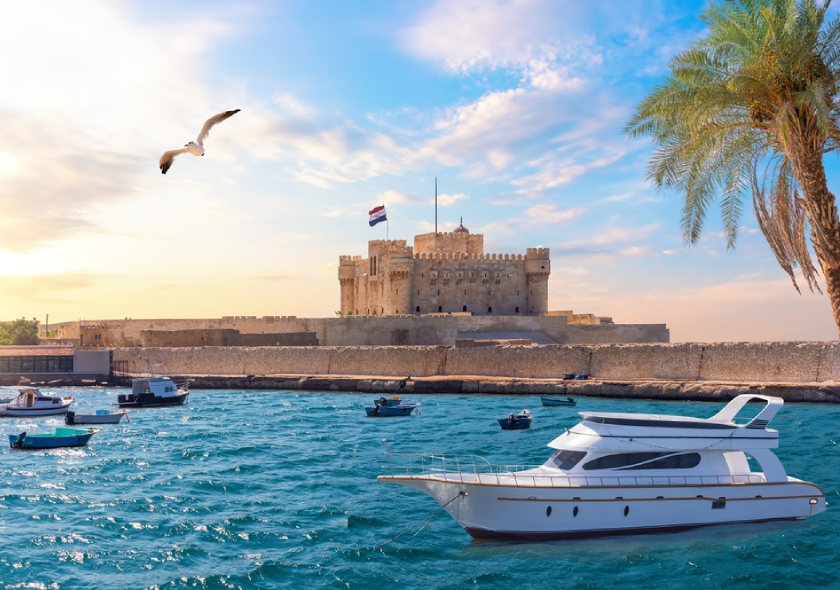
Cairo is the capital and largest city, known for its bustling markets, historical sites, and vibrant culture. Other important cities include Alexandria, Giza, and Luxor.
4. Specially Protected Areas / Biodiversity:
Egypt's culture is a blend of ancient traditions and modern influences. The official language is Arabic, and Islam is the predominant religion.
5. Protocol on Offshore Exploitation:
Pollution and environmental protection related to exploration/exploitation of continental shelf, seabed, subsoil.
6. Protocol on Hazardous Wastes (Transboundary Movements):
Regulates transboundary movement and disposal of hazardous wastes.
7. Integrated Coastal Zone Management (ICZM) / ICZM Protocol
Promotes integrated planning, sustainable use and management of coastal zones.